'Tis the season to be making listicles. Within a week, every major photo blog (despite lots of folks saying blogs are dead, to which we say 'pshhhh'), magazine, content marketing generator, and probably a bunch of Instagram feeds will deliver their lists, break some hearts and make new friends for life. We thought about making our own list, but are trying something different this year. Instead of waxing authoritatively on our favorite photobooks, we've handed the reins to the photographers and publishers of Humble's best photobooks of 2014 to let them do the heavy lifting...er, we mean, to keep the decision more open, more varied, and potentially less of what our dear readers might expect. With that said, we strongly encourage you to check out some of these books and support each of the artists' hard work. In most cases, you can purchase directly from the photographers/publishers, or support amazing photobook stores and distros like Photoeye, Spoonbill and Sugartown, Dashwood Books, and Printed Matter. So behold! Humble's best photobooks of 2015 (in no particular order) according to some of the best photobook-agraphers of 2014. hotobook-agraphers of 2014.
Tandem 2014 © Manon Wertenbroek
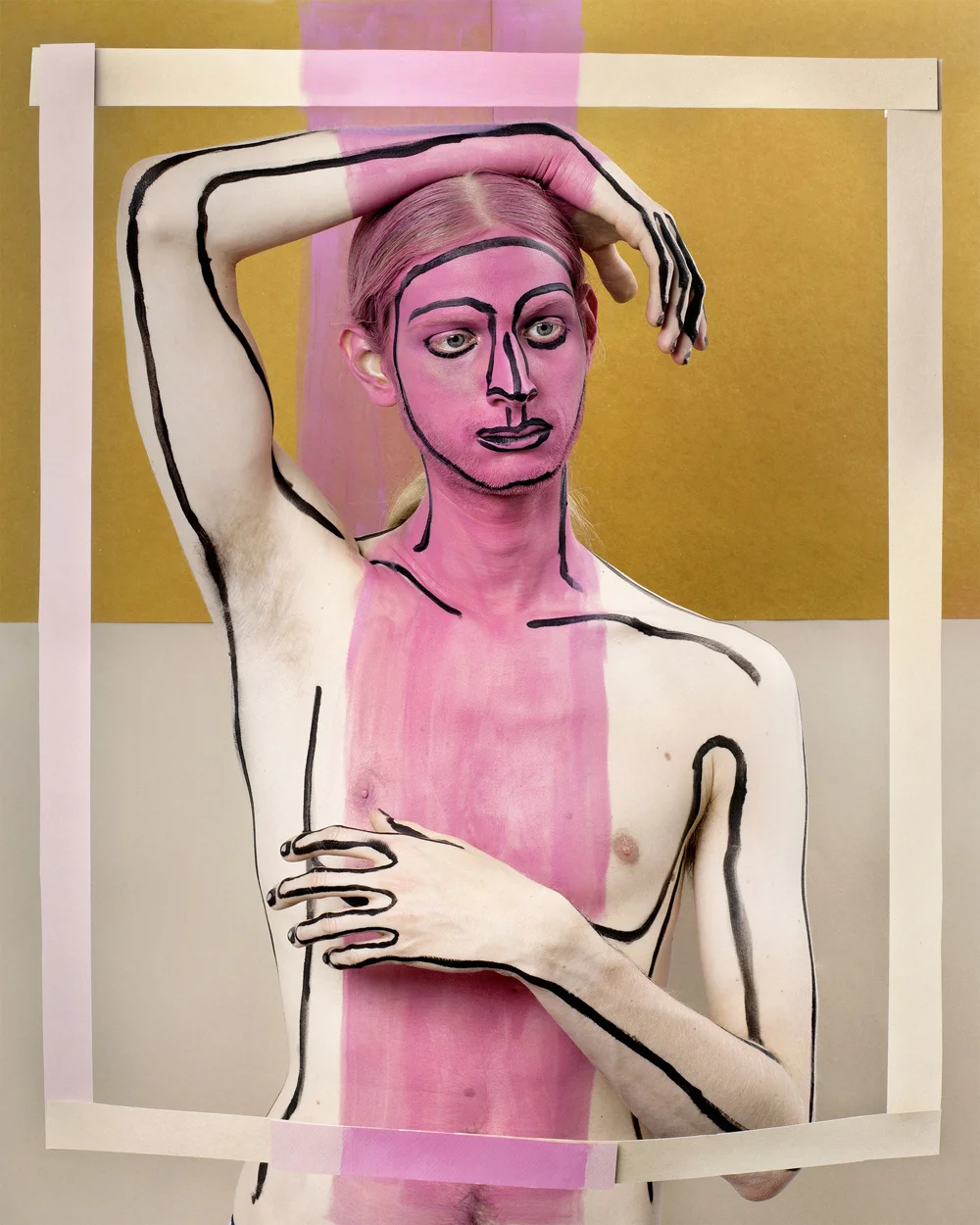
For the past 6 years, Foam has consistently showcased some of the most promising new photography. Like the PDN 30, and The Museum of Modern Art's annual New Photography exhibition (both of which show a range of strong work, but haters love to hate), Foam’s editors have an uncanny eye for new voices in photography, and their annual Talent issue has been known to predict these photographers' success year after year (read about last year's issue here.) While past "Talents" have included now-household names like Alex Prager, Jessica Eaton, Lucas Blalock and Sam Falls, this year’s survey continues its showcase of inventive work ranging from Aaron Blum's calm Appalachian narratives to Sara Cwynar's cathartic mingling of still life and collage. The exhibition Foam Talent 2015 will be open at l’Atelier Néerlandais in Paris through December 20th, 2015
We reached out to Foam’s Deputy Director of Artistic Affairs, Marcel Feil to learn more about his selection process, and what really constitutes “Talent.”
© Dan Boardman
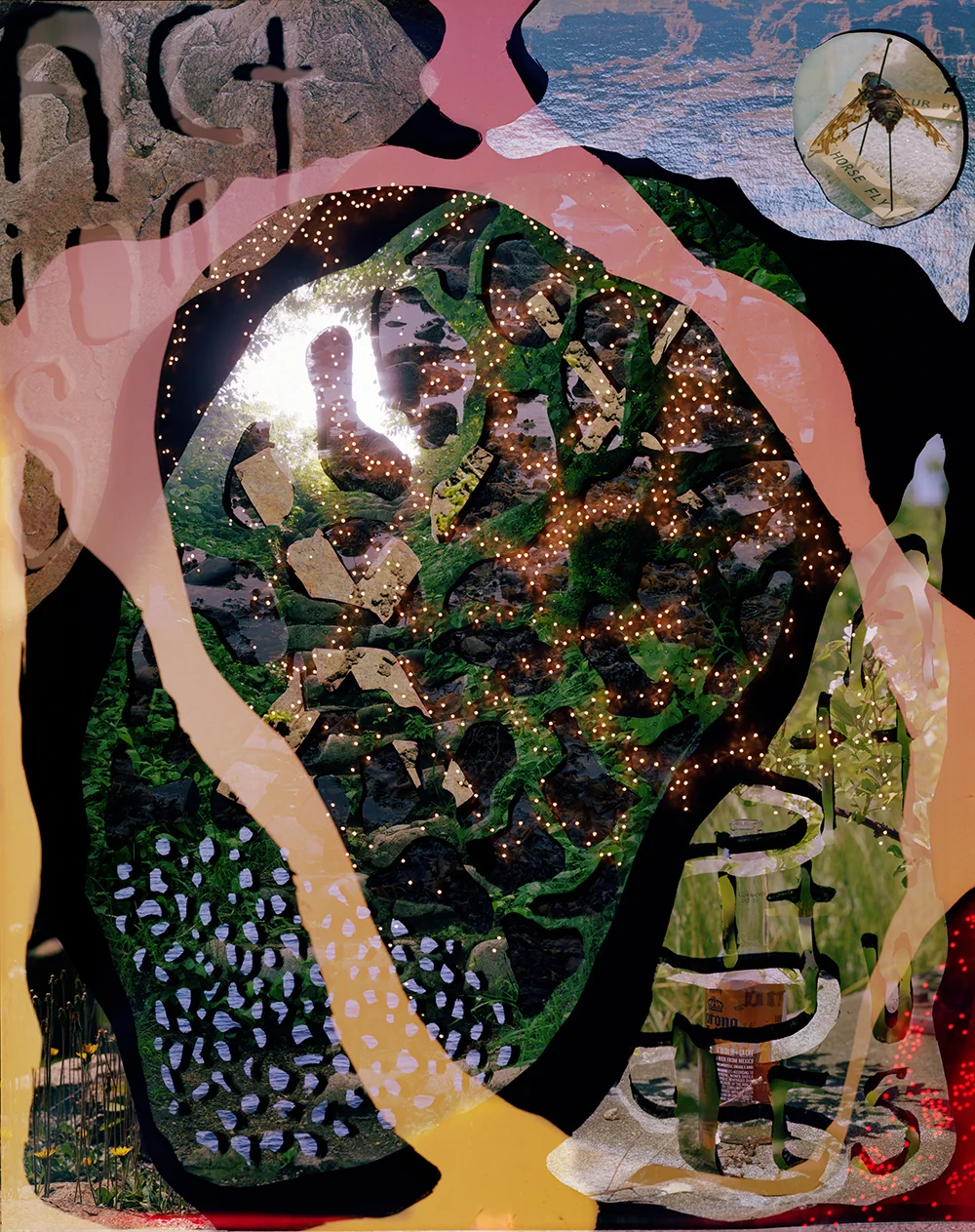
At first glance, Dan Boardman’s new series 2014 might appear to be a digital mash-up of sampled cartoons, images jacked from Google searches, and stock photography outtakes. In our current era where photographic truth is often more commonly questioned than taken for granted, it’s easy to assume his work contains some level digital manipulation, perhaps commenting on its permeation into so many facets of everyday life. But Boardman’s playful melted creations are surprisingly made by hand, painstakingly, in camera, with barely any adjustments in Photoshop, and reference vintage cinematic tricks more than those associated with any proclaimed “digital revolution.” These images, which can appear cut up, composited, and sometimes broken into 4-panel grids, ultimately address his ideas about photography’s ability to authentically represent reality, while reawakening his own affinity to the medium.
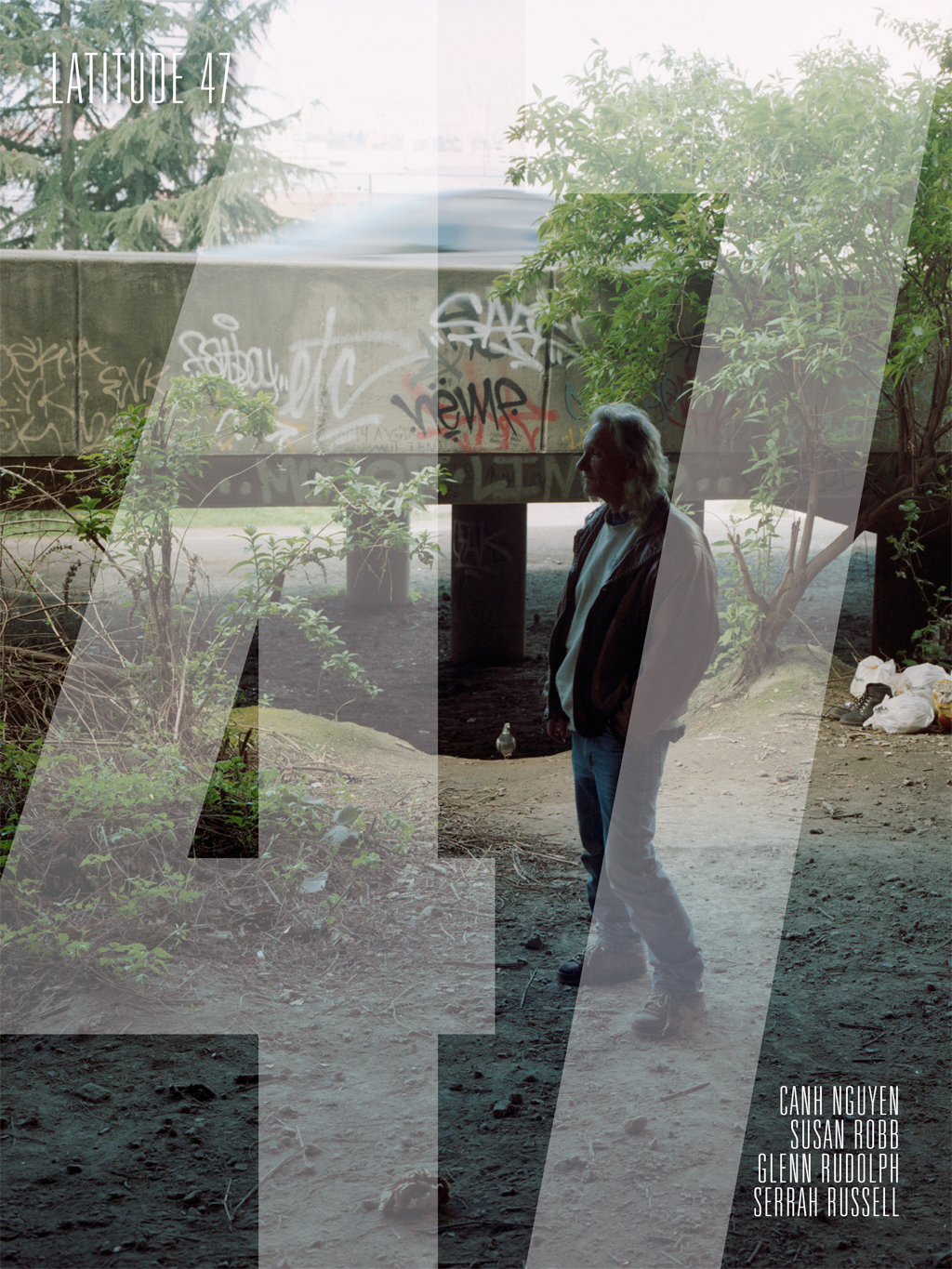
Latitude 47 is a new annual photography magazine published by Seattle’s Photographic Center Northwest. Conceived and directed by Minor Matters Books founder and PCNW Executive Director Michelle Dunn Marsh, and renowned photographer and PCNW Programs Chair Eirik Johnson, Latitude 47 aims to bring the refined work and tight community of Northwest photographers to the rest of the world. While online content marketing (i.e. your favorite photo blogs) has done a great job of democratizing work of many artists, this traditional method of getting work in front of influencers promises to give Northwest photographers a larger footprint on the map. We spoke with Eirik Johnson about the project and ideas behind its first issue, which includes work from Seattle photographers and photo-based artists Canh Nguyen, Susan Robb, Glenn Rudolph, and Serrah Russell.
Keith, 2015 ©Kris Graves Ferratti, 2015 © Kris Graves
Kris Graves’ latest series, The Testament Project uses portraiture, video interviews and anonymously submitted written testimonials to explore the varied experience of contemporary Black masculinity in America. Graves examines various media driven stereotypes in an effort to uncover their deep roots of institutionalized racism. For Graves, and many of the men he’s photographed and interviewed, these ideas transcend class and geography, and are a constant reminder that despite significant progress, our nation has much to overcome.