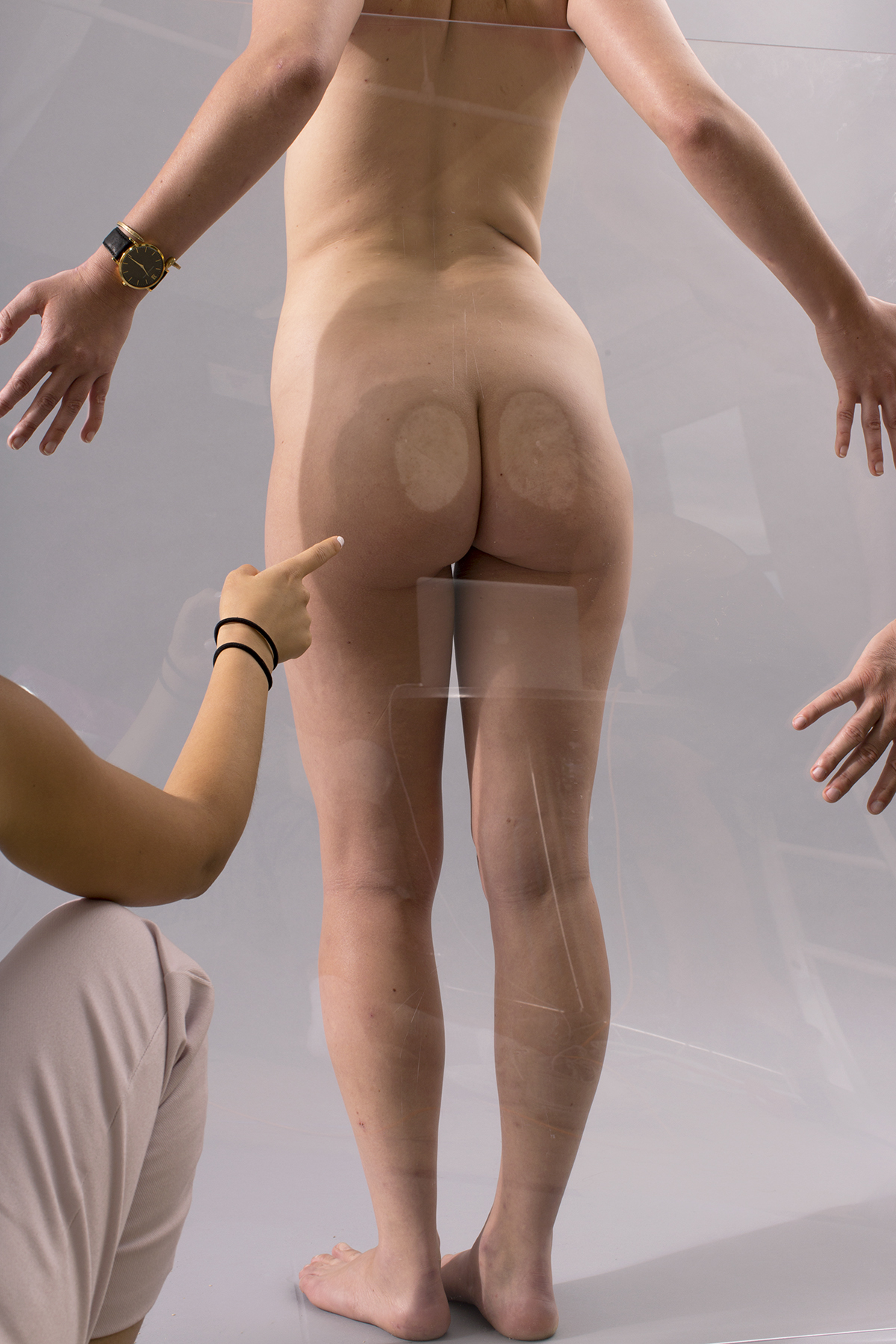
To declare that wrestling is homoerotic isn't necessarily a new or groundbreaking statement. Art historical references aside, a simple Google search pairing the two words returns countless blogs dedicated to driving the connection home. However, photographer Ben McNutt expands on this ongoing conversation using appropriated historical images, photographs of ancient Uffizi wrestler sculpture, and studio portraits of young college wrestlers to emphasize the erotic gestural qualities of the sport in history and present day.  He intertwines these images to ask viewers why a mainstream, often homophobic culture might assign straight identities to a male dominated tradition with clear sexual tension. We spoke with McNutt to learn more about him and his practice.

JF: Is wrestling as a sport is inherently homoerotic or is it more the social context and associations? Do Greco-Roman art-historical tropes have any influence over this? 

BM: It's just harder to deny compared with other sports. One can point it out in football, lacrosse...but wrestling is more "in your face" about it. In collegiate wrestling it's about two men and a point system where you ultimately aim to pin your opponent against a mat. People like to jump around seeing homoeroticism in sports. Men grab each others asses in football. Men hug each other in soccer. With wrestling there is just no way in denying its tendency to be seen in a homoerotic light, even as a so-called joke. 

Tell me a bit about the Uffizi Wrestlers?

There is a copy of the Uffizi Wrestlers located in the atrium of MICA, the school I attend. It's this real shitty plaster cast that the college used for life drawing classes in the early 1900's. It just sits in a corner, completely unnoticed by the hundreds of people that walk through the building everyday. I noticed it three years into attending and then for months I took a 4x5 camera with me and I really looked at the statue. Like actually spent the time to take it in. And it was weird. It's this emotionally gripping sculpture whose viewpoints change depending on where you're looking. And then I Googled it, and the history of the statue is just as strange as its existence in the school. The sculpture has a ton of different names, The Wrestlers, Wrestlers, The Uffizi Wrestlers, The Two Wrestlers. The original marble statue the dozens of copies are based off of is located in the Uffizi Gallery in Italy, yet the sculpture itself is a roman copy of a lost greek bronze. Stranger yet, the heads were added onto the statue hundreds of years later after they were rediscovered and excavated in the 1500's. It was a really poignant statue that I felt talked about a lot of the issues I had with wrestling. It's agelessness. It's violence. It's sensuality. Right there, hidden in plain sight. 

Your work is a mix of found images, photos of classical sculpture, portraits and even some staged tableaux. Why is this important?

I didn't actively start the project looking to include different types of representation for what I wanted to talk about with wrestling. The more I got enveloped in the sport, the more I just  began to come across images that I wanted to collect and use. They act as a pointer device to say, hey, look at that, two men grasped together in a commemorated stamp used by the United States Postal Service. Having a large pool of imagery to choose from is motivating.  It's weird and exciting to pair together a portrait I've taken with a portrait of two wrestlers from the 1900's.  All of these materials are part of a collective history that is evolving with the work.

When your work was published on Vice and Huffington Post, some commenters remarked that these ideas are "nothing new", that “duh – of course wrestling is homoerotic…”  -- how do you respond to that? How is your work expanding on an existing conversation? 

And I'm really glad it's obvious to people. I want to point out that out. But there is a lot more going on than just pointing it out, there is a further conversation to have from it, even if it's about how obvious it is. There are a lot of social conditions allowing the type of interaction one might see in wrestling to be acceptable to larges numbers of people from hugely different backgrounds across the world. Outside of certain contexts that behavior is not so acceptable. It really comes down to context.  A guy wrestles a guy outside in a park in and it's a whole different meaning to a whole bunch of people. And it's certainly not always accepted by people. Why is that? It seems so twisted. 

Did you wrestle growing up?  Was it something that was encouraged in your family or community? 

I think this is a really interesting question because it gets brought up by anyone viewing the work. A lot of people really need to know if I wrestled, or they assume I didn't wrestle, or they assume I don't do any type of physical activity at all. It's some sort of validator people have with the work. They want to know if I have an insiders look or an outsiders look on wrestling. I didn't wrestle growing up and it wasn't present in my community. To some it seems unfair to make work about wrestling if I didn't wrestle. I don't think that makes any sense. I love wrestling. I love it a lot. I love learning about it. I love reading about it. I love learning techniques. I love the sport. It's not something I grew up with, but it's something I am growing with now. 

BIO: 

Ben McNutt is an artist pursuing a Bachelor of Fine Arts in photography at the Maryland Institute College of Art in Baltimore, MD. Ben observes acts of homoeroticism intertwined in masculinity throughout history and utilizes artistic media as a vehicle for displaying these observations. Ben was most recently interviewed about his wrestling work for Vice on Huffington Post Live. If you like his work, you should really buy his edition of Matte Magazine. 
We've all experienced having our work torn apart by vicious critics. Whether it's the infamous "Hot Seat" of Yale's MFA photography program, portfolio reviews and studio visits rumored to make budding photographers cry, or even Joe Schmo's biting words trolling the comment sections of some of our favorite blogs, there is a kind of coming of age artists experience when putting their work out into the world.  An anonymous group called "Art Crit Zingers" recently launched a website and Instagram account, crowd-sourcing these sharp jabs with shareable ease.
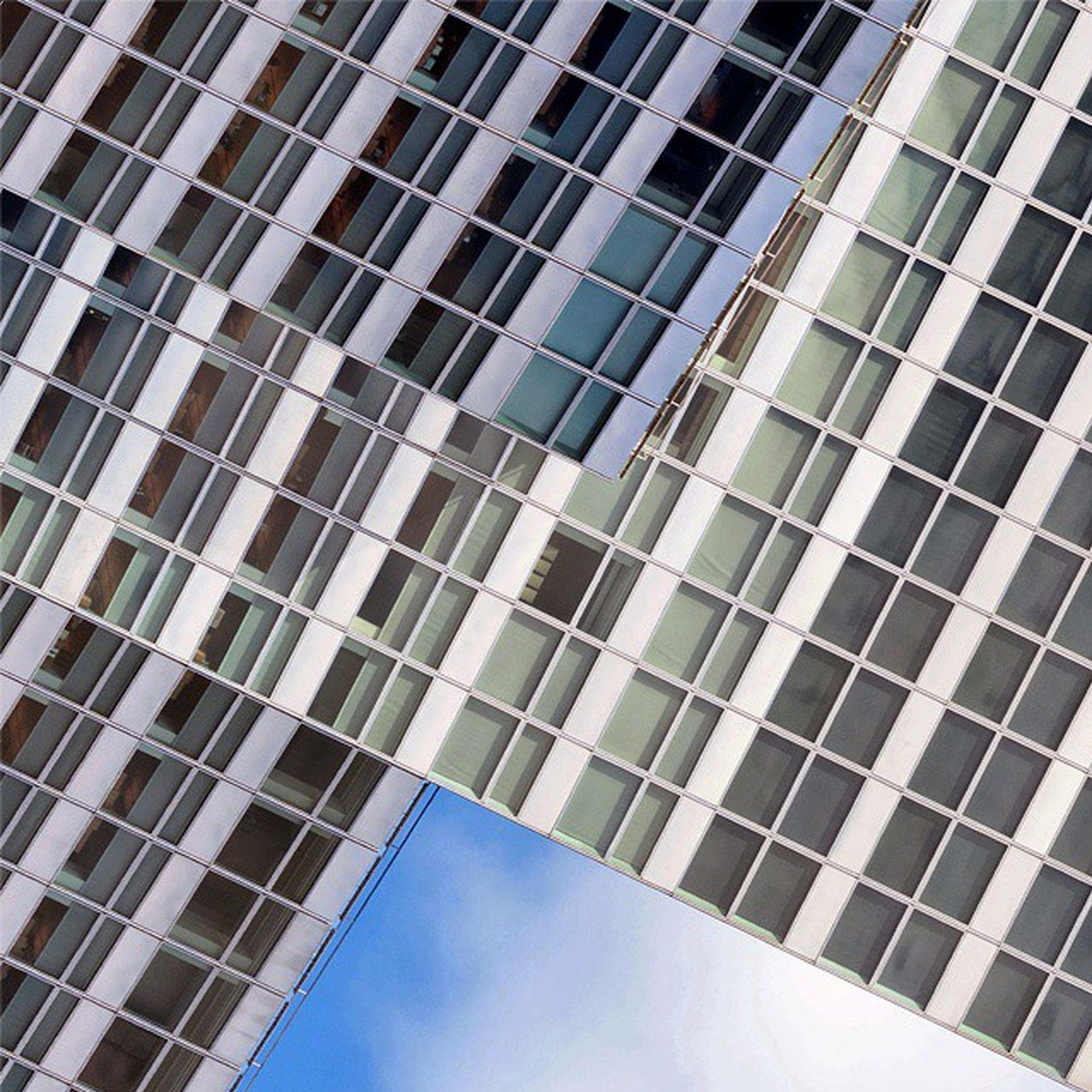
"We're realizing that not all zingers have to be negative or critical," one of their anonymous founders told us... "We see this as a project that will lift the curtain with a loving wink on the humor and intensity that characterizes the discourse in which people engage when talking critically about work. "
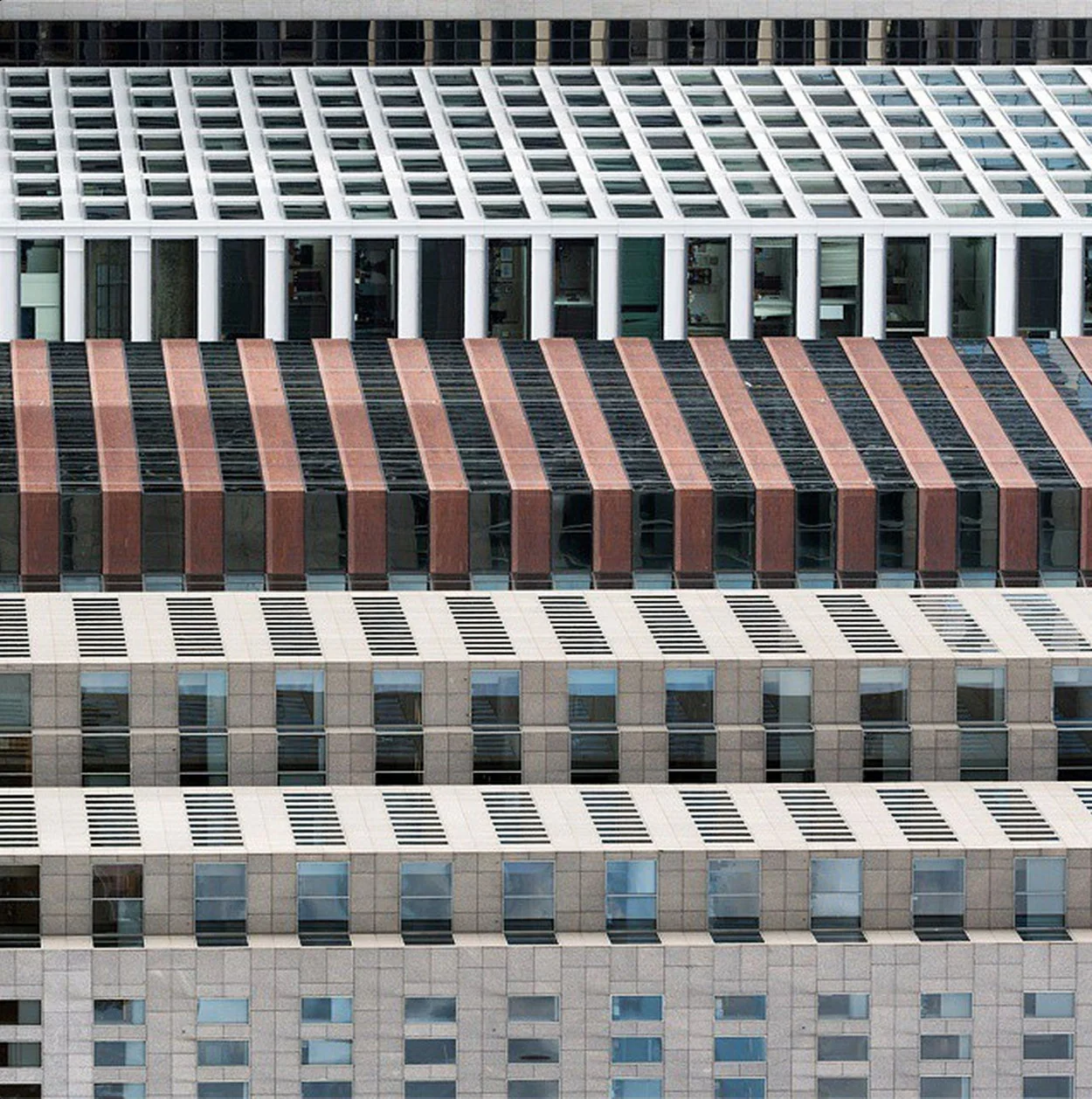
Below are some of our favorites, and we recommend digging deeper into their website or Instagram account if your own critics are grinding you down. They're currently accepting submissions on a rolling basis so take that bottled angst and send it their way. 


Posted
AuthorJon Feinstein

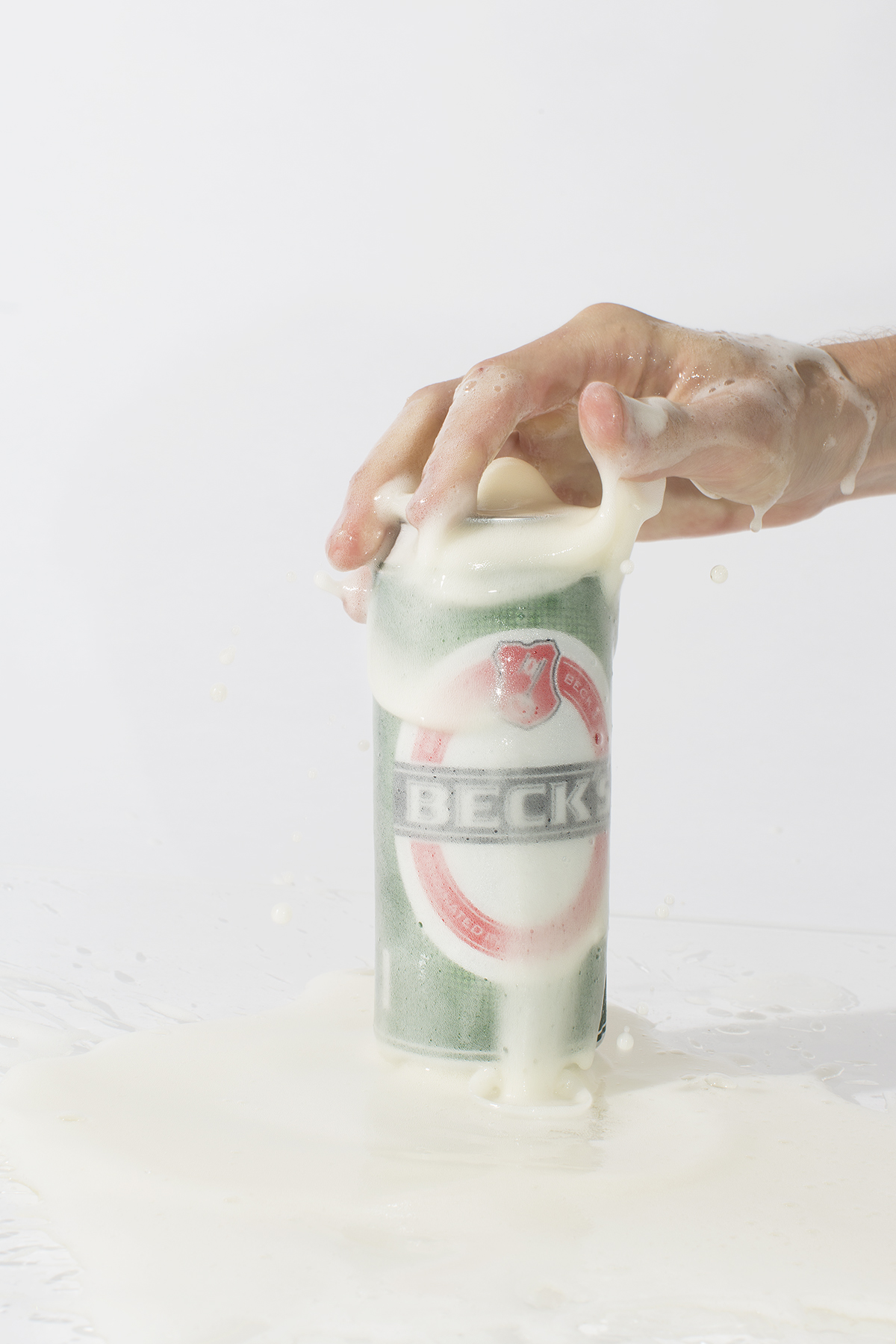
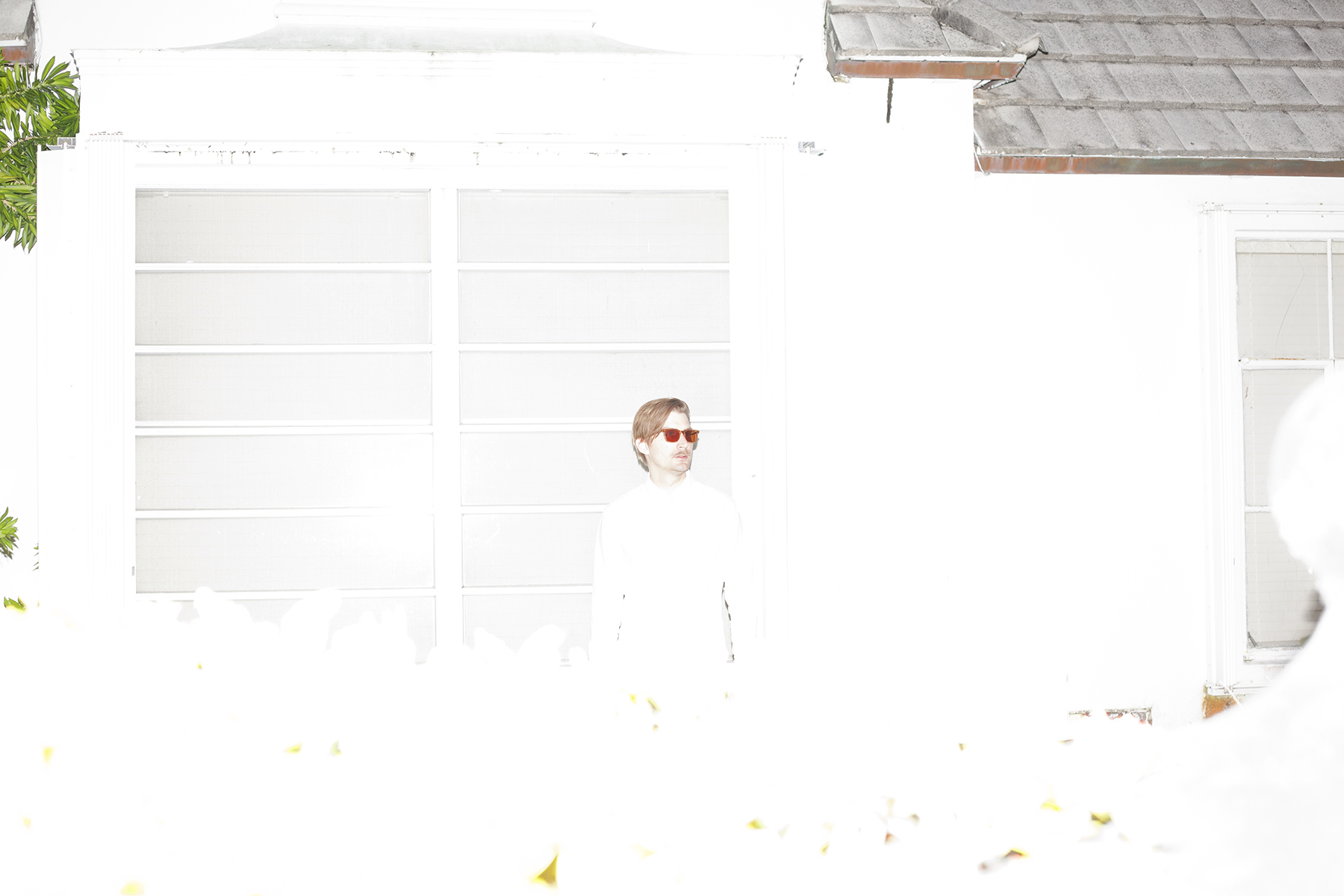
David  Brandon Geeting never expected to be a successful commercial photographer. He attended the School of Visual Arts in New York City as a photo major with little interest in studio lighting, or the slightest notion that he might one day be commissioned to travel the country to photograph the entire 85th Anniversary Issue of Bloomberg Businessweek. But he did, and over a few short years, has quickly become one of today’s most inspiring photographers to watch. His jarring flash, off-kilter methods of arranging still life, and unconventional style of shooting celebrities have radical ties to, and little visual distinction from his personal work. Without consequence, many of his unpublished outtakes have found their way into his own projects. 

Shortly after graduating from SVA, Geeting assisted Peter Sutherland, who gave him his first digital SLR. Building on his undergrad tendency to wander the city making photographs of garbage, he began making what he calls ‘Frustrated Art.’ Geeting writes: “It’s the kind of art you make when you have all kinds of pent up creative energy and no ideas on how to release it. I would start to go through cabinets of junk in my house and throw still lifes together out of really boring materials and blast it with a flash and post these on my blog.”

Eventually, Bloomberg Businessweek photo editor Emily Keegin got wind of his work and hired him to photograph the inside of a 3D printer factory in South Carolina. "David came into the office to show me his work a few months after he had graduated from SVA," Keegin tells us.  "He carried his portfolio in a plastic shopping bag, and it was the best book I had ever seen--- I think primarily because it was just a bunch of art work. He wasn't trying to be someone he wasn't. I liked the way he saw the world & felt like the magazine was in need of his kind of quirk."

Since then, Geeting has shot countless jobs, applying his slicked-up trash aesthetic to everything from product shots to tech innovators. Some of Geeting’s most surprisingly discordant and personally rewarding images have come out of spontaneous collaborative moments on shoots. His adventurous, experimental approach gives them multiple readings in and outside of their commercial intent.

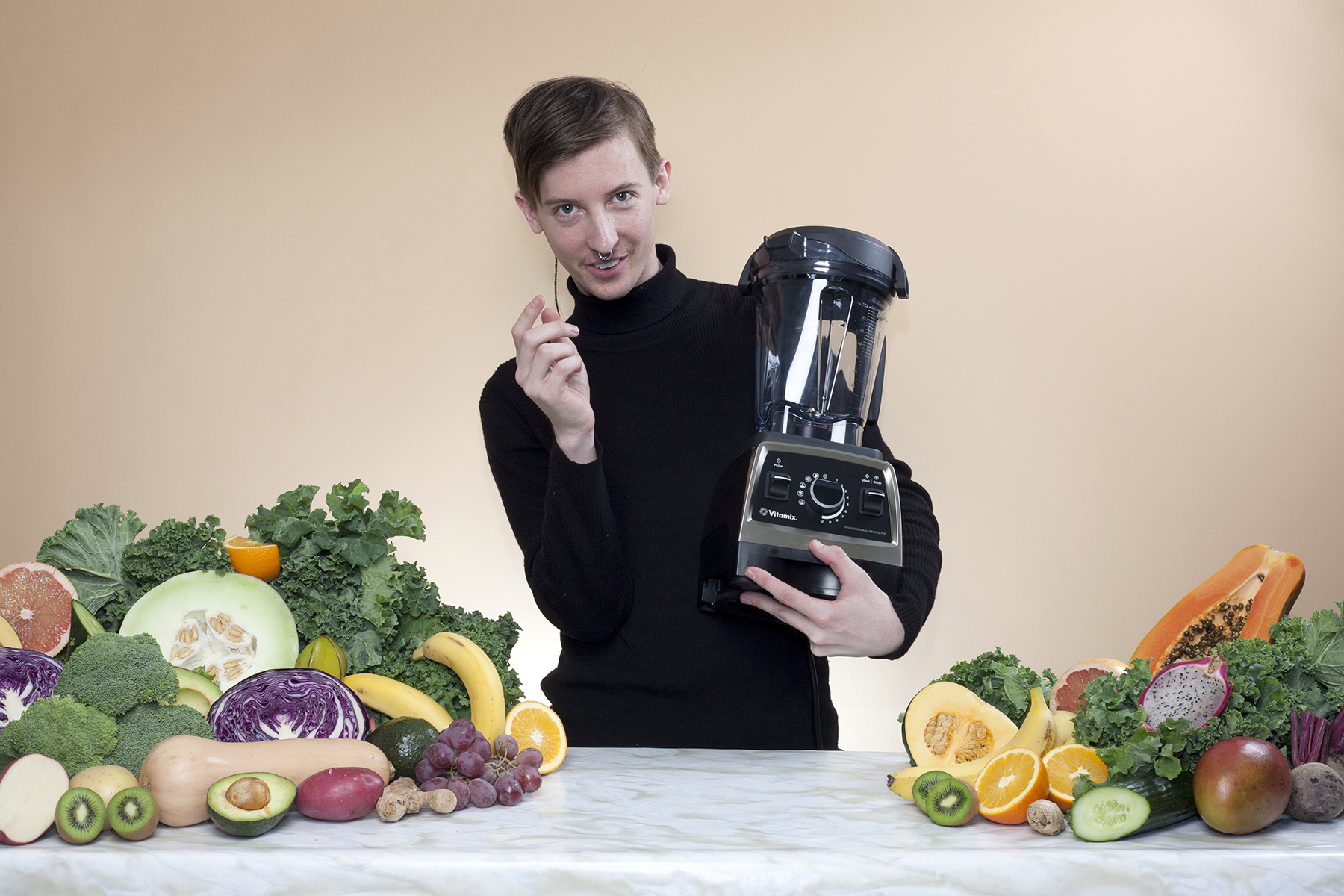
“One of my favorite images,” says Geeting “is a photo of my friend Corey wearing all black looking real goth, holding a state-of-the-art blender and standing in front of a wide array of fruits and vegetables. We were shooting stills of a fake Vitamix infomercial and Corey was assisting me that day. In the photo he was just a stand-in for me to test the light, but when I look at that photo out of context it conjures all kinds of ‘WTF's. "

Geeting’s philosophy towards his personal, editorial and commercial work, and everything in between is honest and straightforward. It finds strength in pushing comfort levels, taking ongoing creative risks and being unafraid to openly play with the most absurd of ideas.

 “I think they are about open-mindedness and not being afraid to make connections between things, no matter how disparate they may seem. I also think they are pictures about making pictures, referencing both technical issues and concepts gone awry. My favorite images are always the wrong ones.”

Bio: David Brandon Geeting (b. 1989) is an American artist born in Bethlehem, PA and currently residing in Brooklyn, NY.

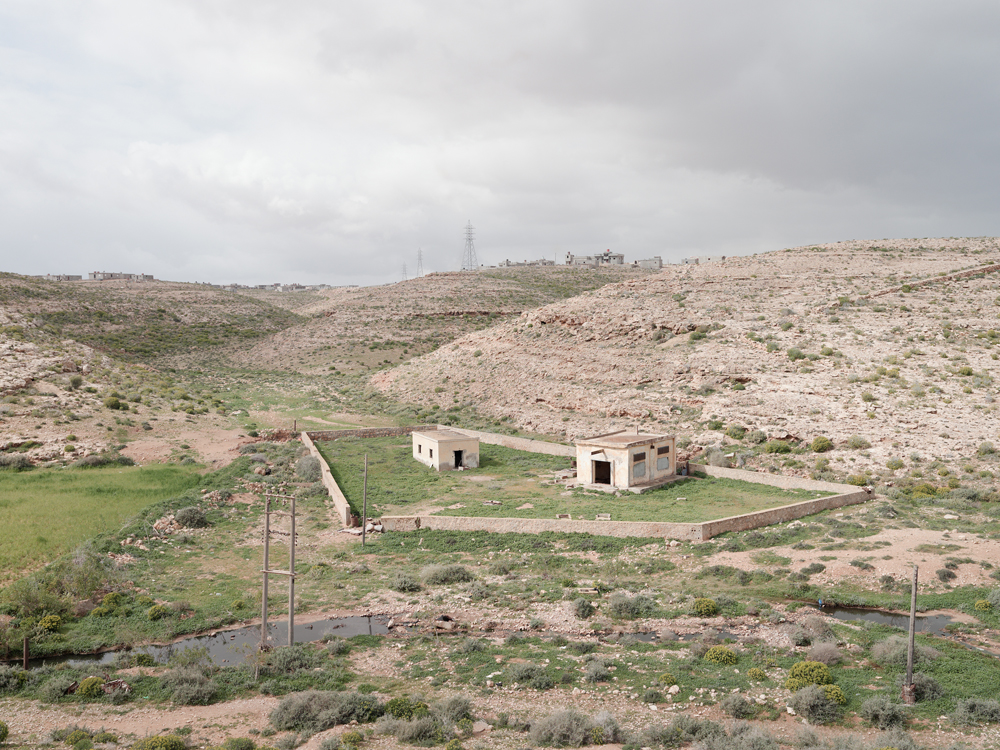
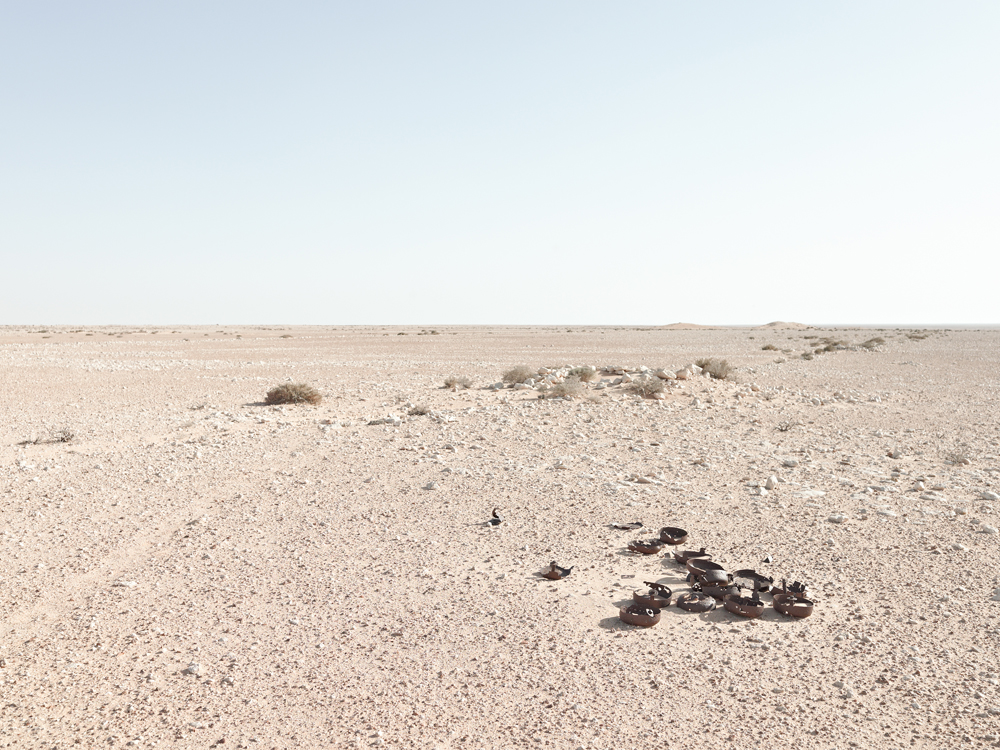
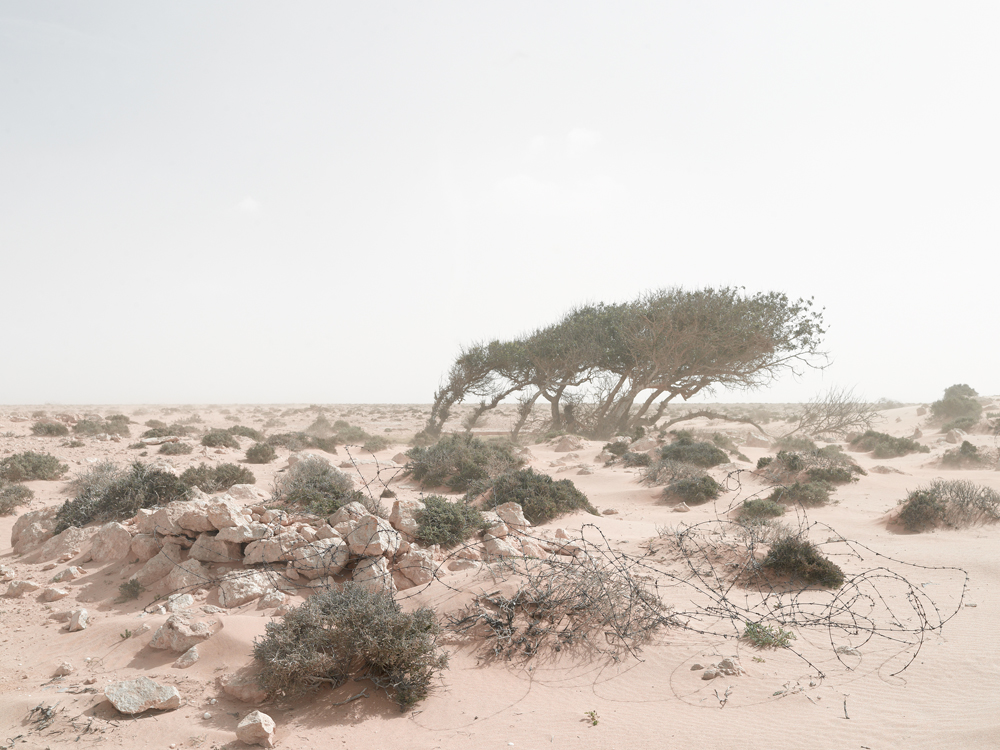
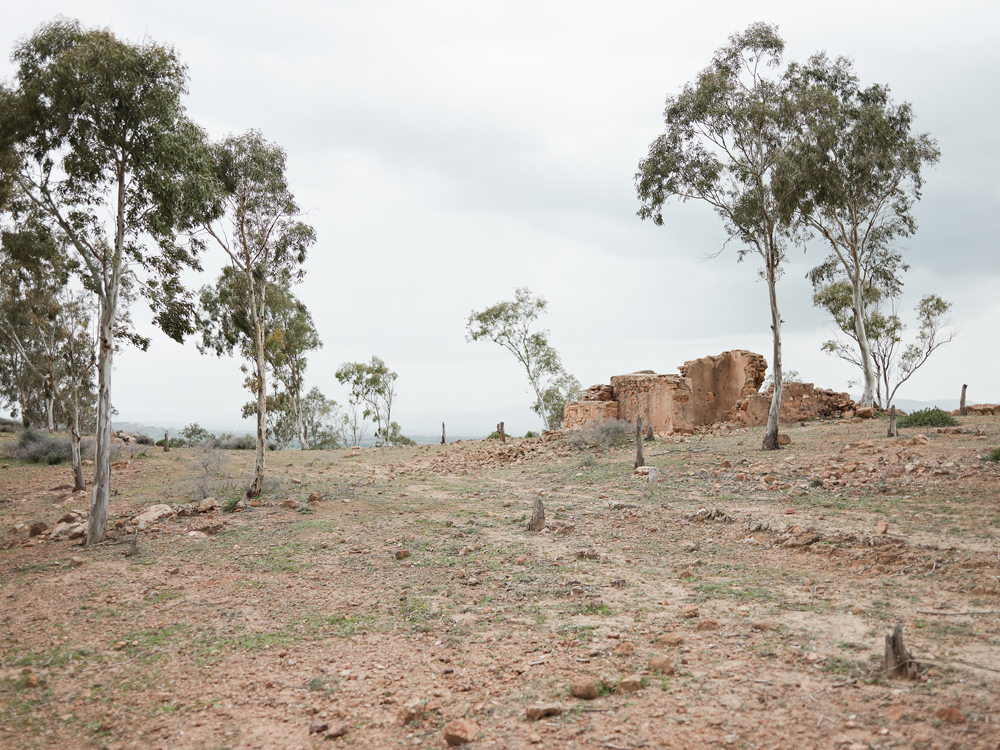
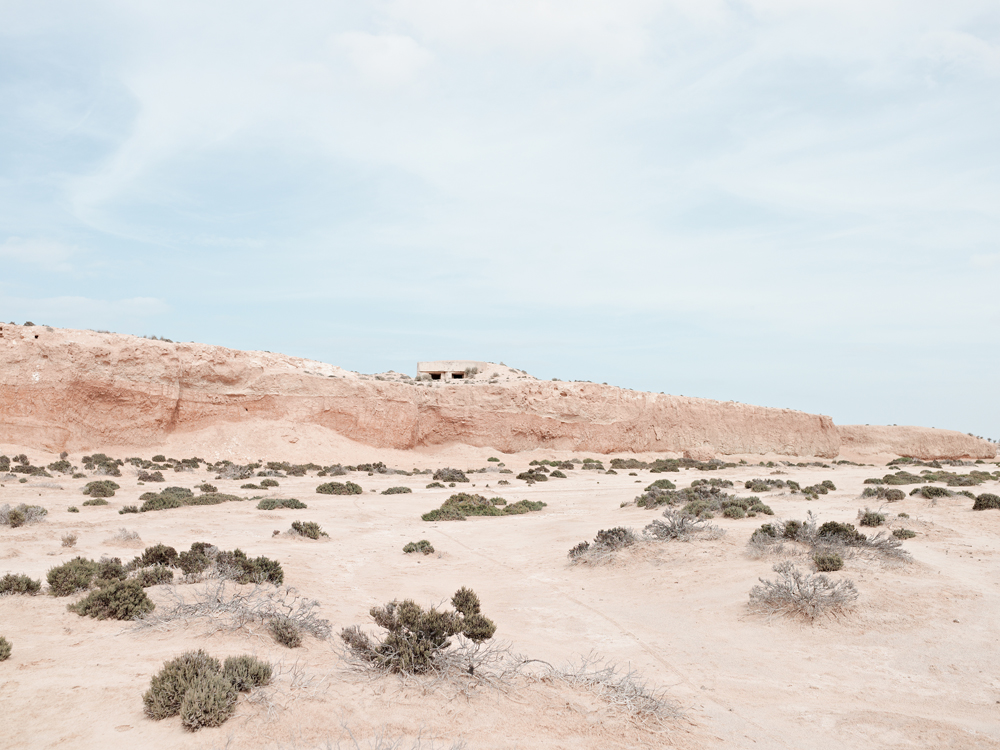
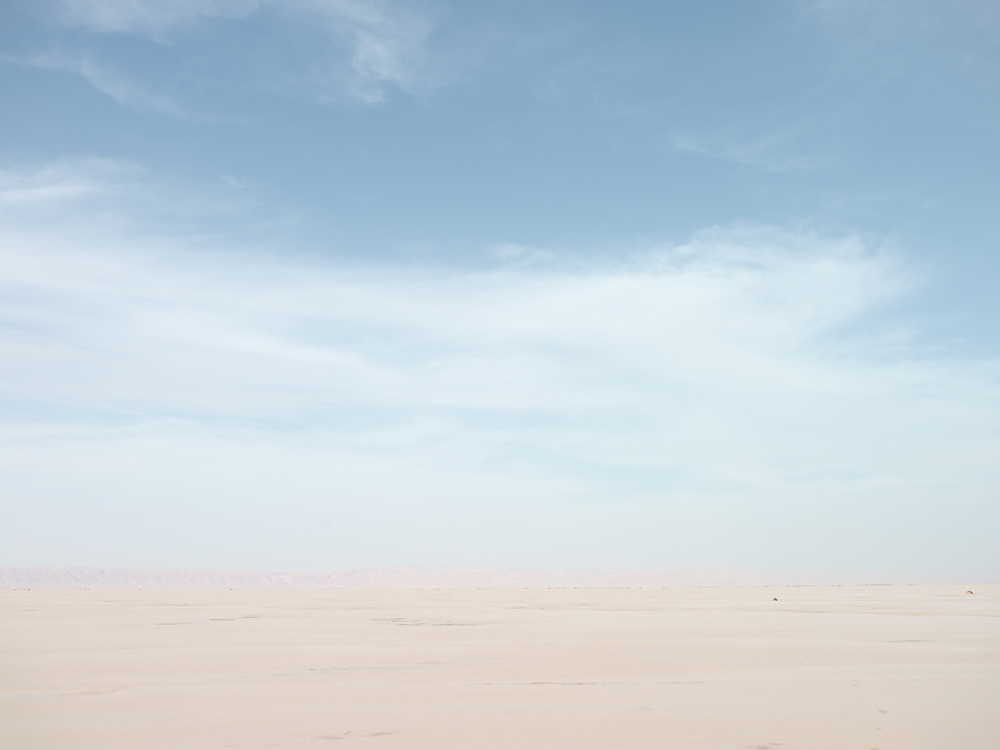
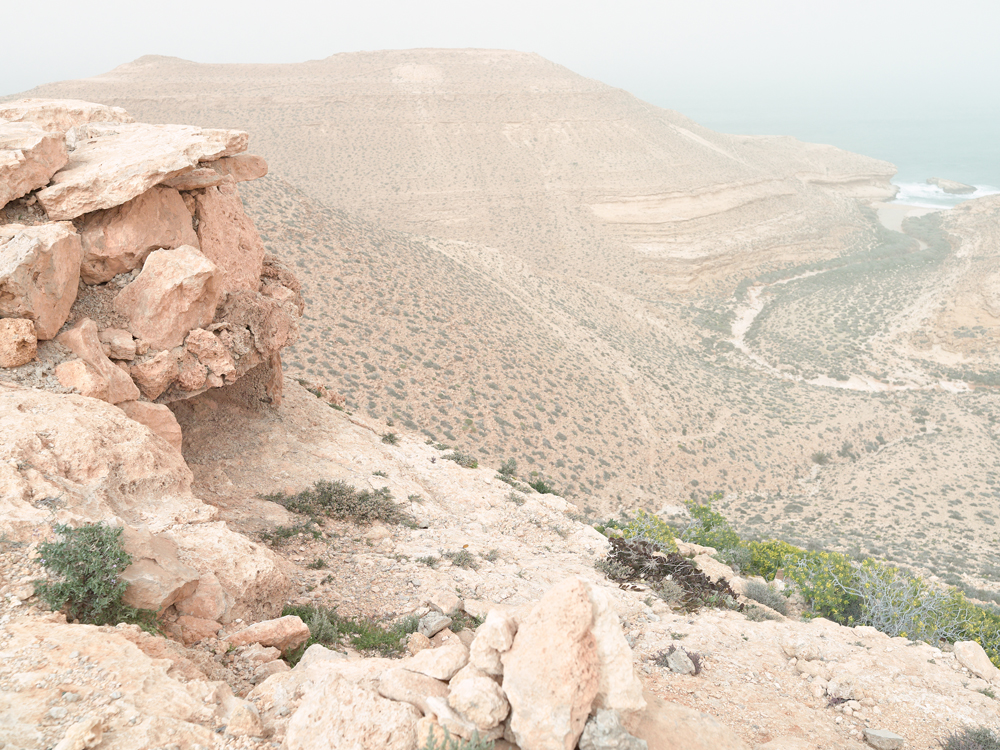
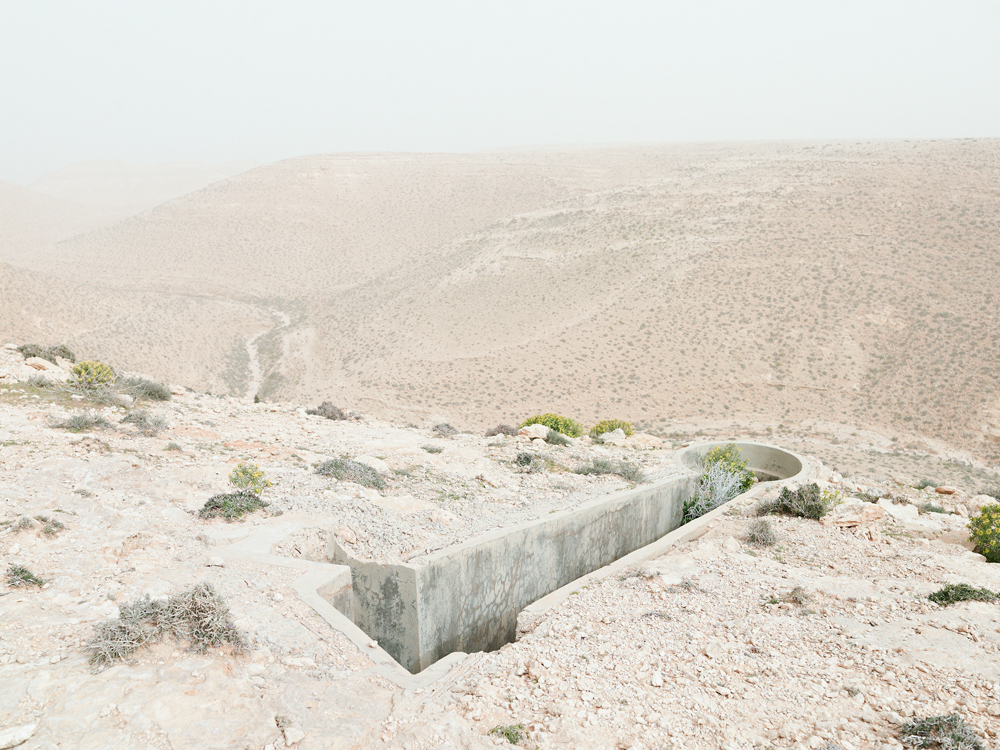
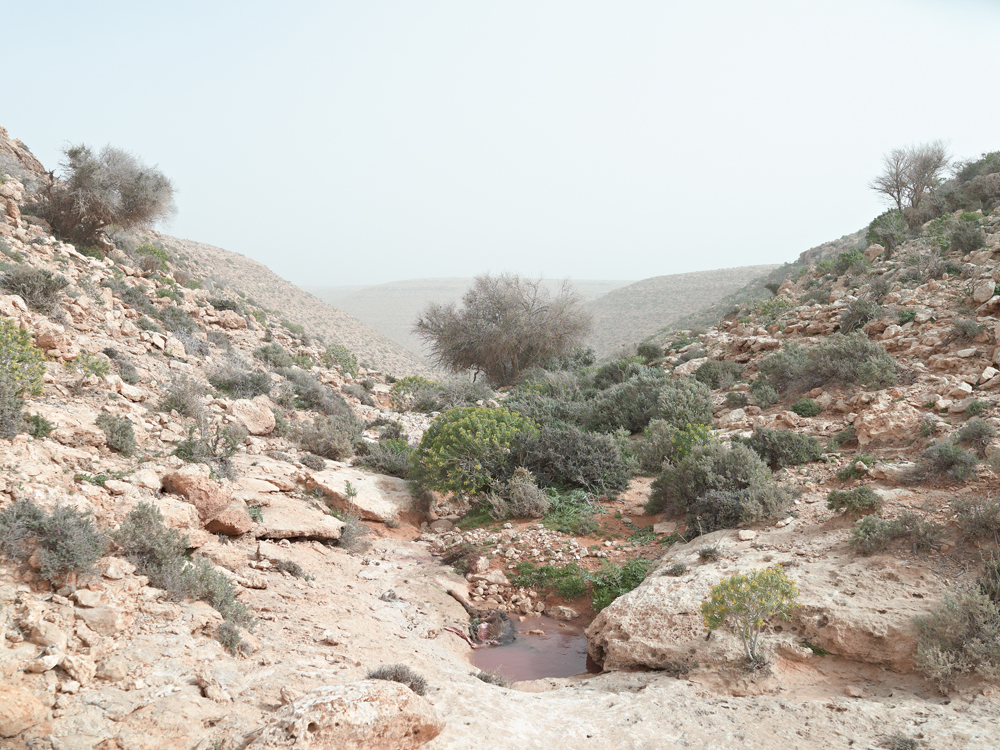
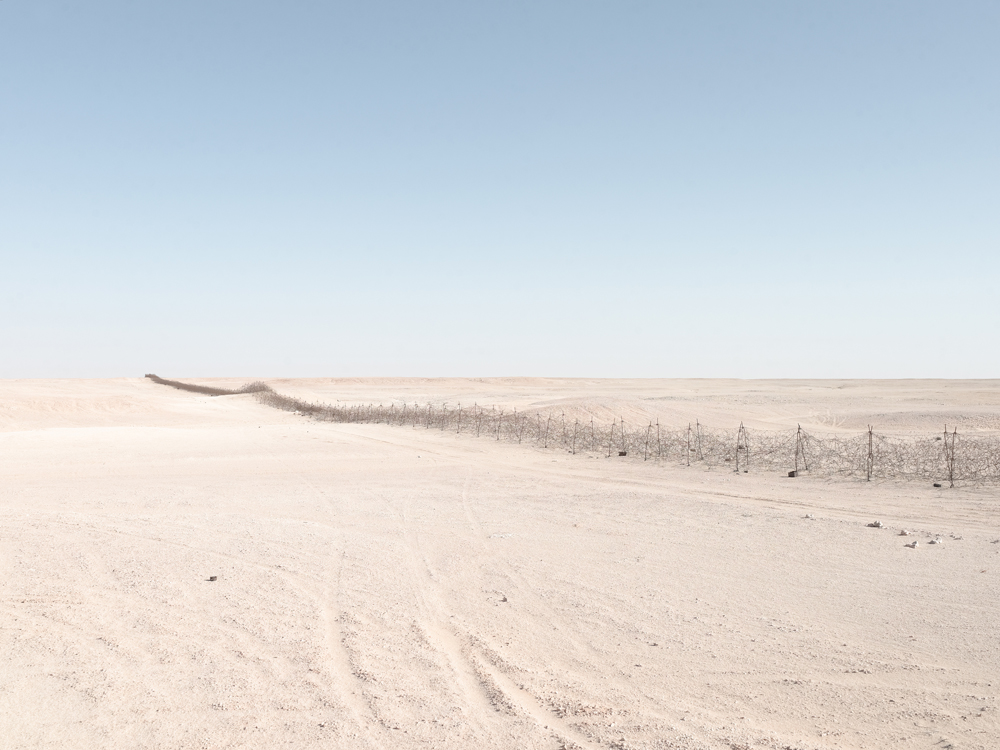
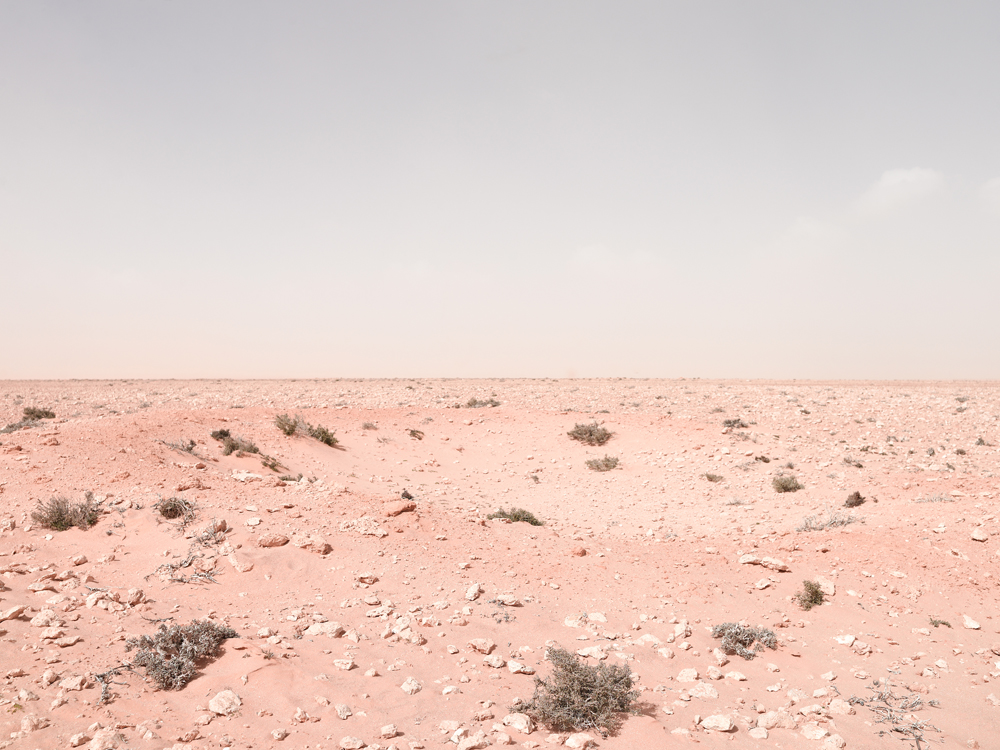
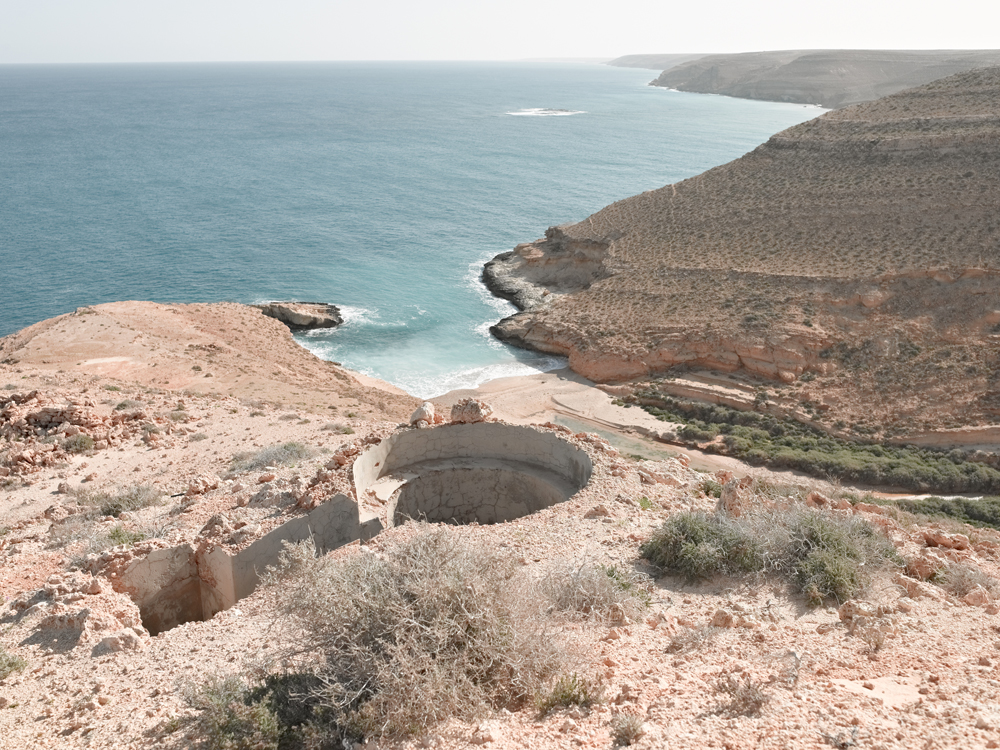
Matthew Arnold’s monograph Topography is Fate, recently published by Kehrer Verlag, is a series of photographs of various North African battlefield sites from World War II, made over the course of three years beginning in 2011. His work follows on the formal traditions of 1970’s New Topographics’ photographers like Stephen Shore and Lewis Baltz, and later photographers like An-My Le and Irina Rozovsky in its method of rethinking how we see landscapes loaded with histories of human impact.

Arnold uses a seemingly objective lens to examine the strangeness of the territory and highlight the soldiers’ experience of alienation in a foreign land. Despite the traces of the war that still exist – unexploded shells, mines, and barbed wire that litter the landscape -- he captures the landscapes in neutral daylight, detaching viewers from their violent past.

“Some photographers, working in a similar vein,” writes Arnold, “shoot at dusk or through the cold mist of an overcast or rainy day in order to cast a somber mood upon historical places in a way of honoring what has taken place. I support that work, some of which is fantastically beautiful. However, I chose not to do that here. I did not want the viewer to be influenced by an editorial notion or opinion, beyond the defined framing that I chose as the photographer.” Like An-My Le, who photographed Vietnam battle reenactments in beautiful light, Arnold’s work attempts to remove theatrics from the battle experience – one that, despite their grave circumstance, did not always occur in apocalyptic lighting conditions. 

While the images might initially appear cold or detached, they come from a sincere combination of Arnold’s attraction to the physicality of the land and his own fascination with the World War II’s complex history. Arnold was first inspired to begin the project in 2011 after a trip to photograph a friend’s wedding in Alexandria, Egypt. “I drove to Siwa, an oasis town near the border with Libya" writes Arnold, "and spent time just driving around the desert in a Land Rover and walking around the dunes and rocky outcrops with some water and my camera. The time spent in that unbelievably quiet place with only myself, the sand, and wind was certainly something significant and profound for me.” When he returned from this trip Arnold read Rick Atkinson’s 2002 book An Army at Dawn focusing on the early stages and battlefield struggles of the Allied invasion of North Africa during World War II, and was driven to embark on this three-year project. 

Like many war-tinged territories, photographing in this terrain posed heavy environmental and political challenges. In one instance, the frequent sandstorms nearly halted the project entirely, almost damaging his camera and equipment beyond repair. “Everything was covered and there was no way to get completely out of the storm. Even everything in the 4x4 was covered. We did the best we could. In the end the camera just stopped functioning.”

Ultimately Arnold’s camera started working again and he was able to continue the project, but not without the continuous obstacles of intense political turmoil. He began shooting in Tunisia towards the and of its revolution, and had to be cautious of protests, riots and other facets of civil war. “A couple times we had to change hotels at the last minute because the hotel we were to be staying had been burned down by protestors the night before…. In Libya it was much worse…. There were many checkpoints throughout the country and each was manned by jittery unskilled young men with AK-47s.”

Instead of presenting brash, heavy-handed visualizations of the magnitude of war, Arnold’s resulting images give viewers a quiet insight into how a landscape can retain its beauty despite the severity of its human impact. For Arnold, this is summed up in a quote from Rick Atkinson’s book, from which the title of the project was borrowed

“For more than half a century, time and weather have purified the ground at El Guettar and Kasserine and Longstop. But the slit trenches remain, and rusty C-ration cans, and shell fragments scattered like seed corn. The lay of the land also remains—the vulnerable low ground, the superior high ground: incessant reminders of how, in battle, topography is fate.”   

Bio: Matthew Arnold is a photographer living in New York City. He graduated from The School of the Museum of Fine Arts in Boston where he studied photography and offset lithography. He also studied photography at The West Surrey College of Art and Design outside London. Immediately after college he taught offset lithography and digital imaging as an adjunct professor at The School of the Museum of Fine Arts in Boston.  His most recent honors include being named a Top 50 Emerging Photographer of 2014 by LensCulture Magazine and a Photolucida, Critical Mass 2014, Top 50 Photographer as well as winning the 2013 Museum of Fine Arts, Boston, Traveling Fellowship. 
 

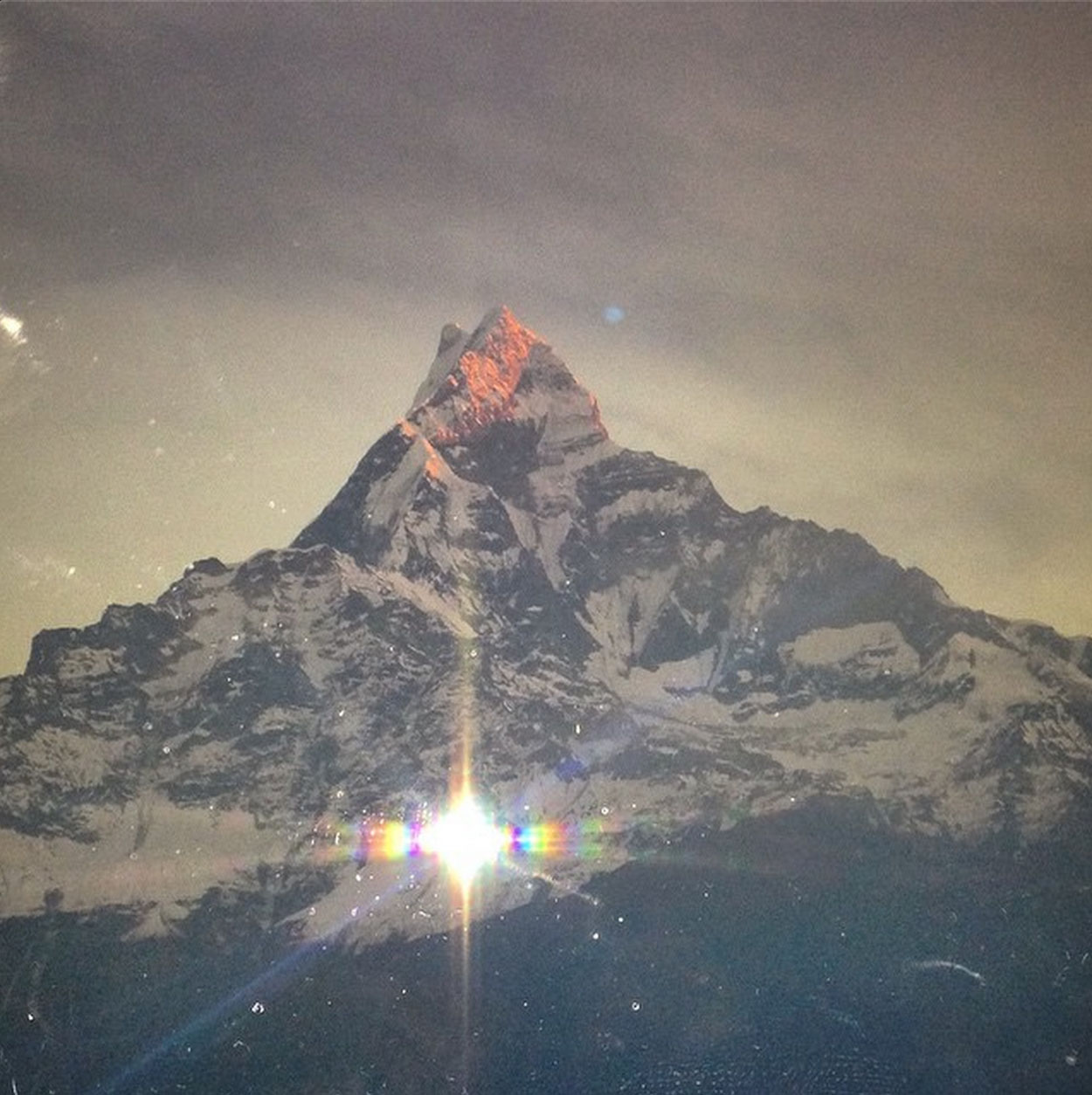
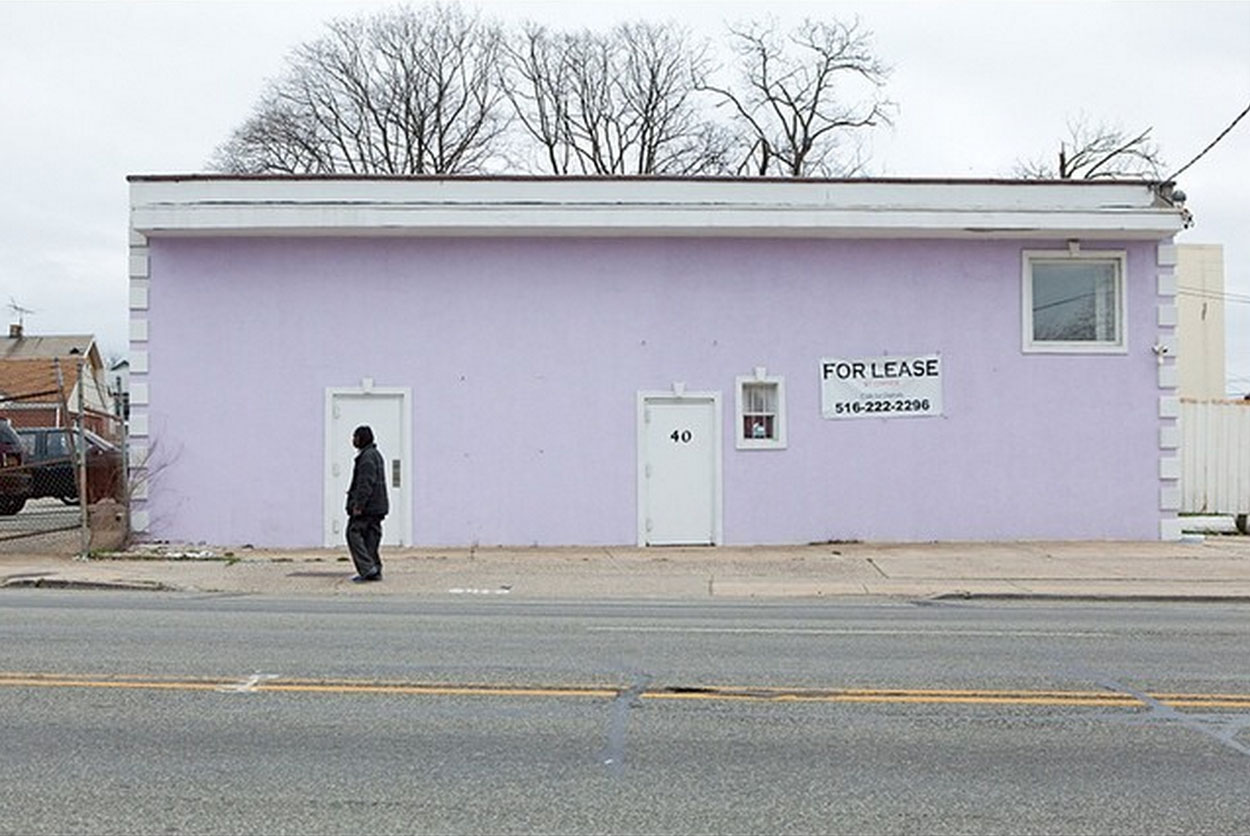
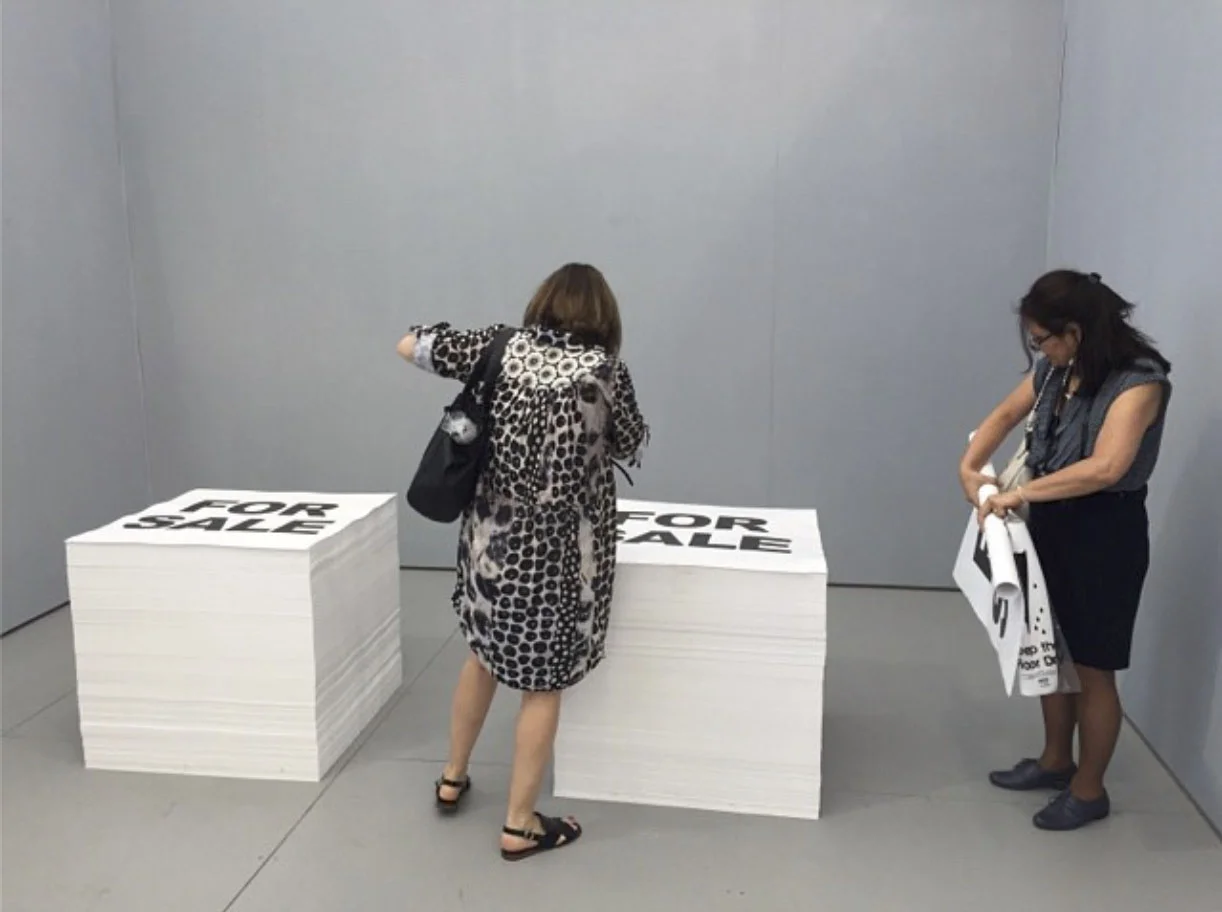
Beware the click bait, it's our semi-monthly Instagram update. Last time we got you, our lovely Humble friends, when we announced the 5 photographers you should never ever follow on Instagram, only to reveal that they're actually some of our favorites. Shortly thereafter, we received numerous emails and Facebook comments arguing that Instagram is still "just another social channel," and that even some of our photographic heroes using IG are doing nothing more than tweeting photos.

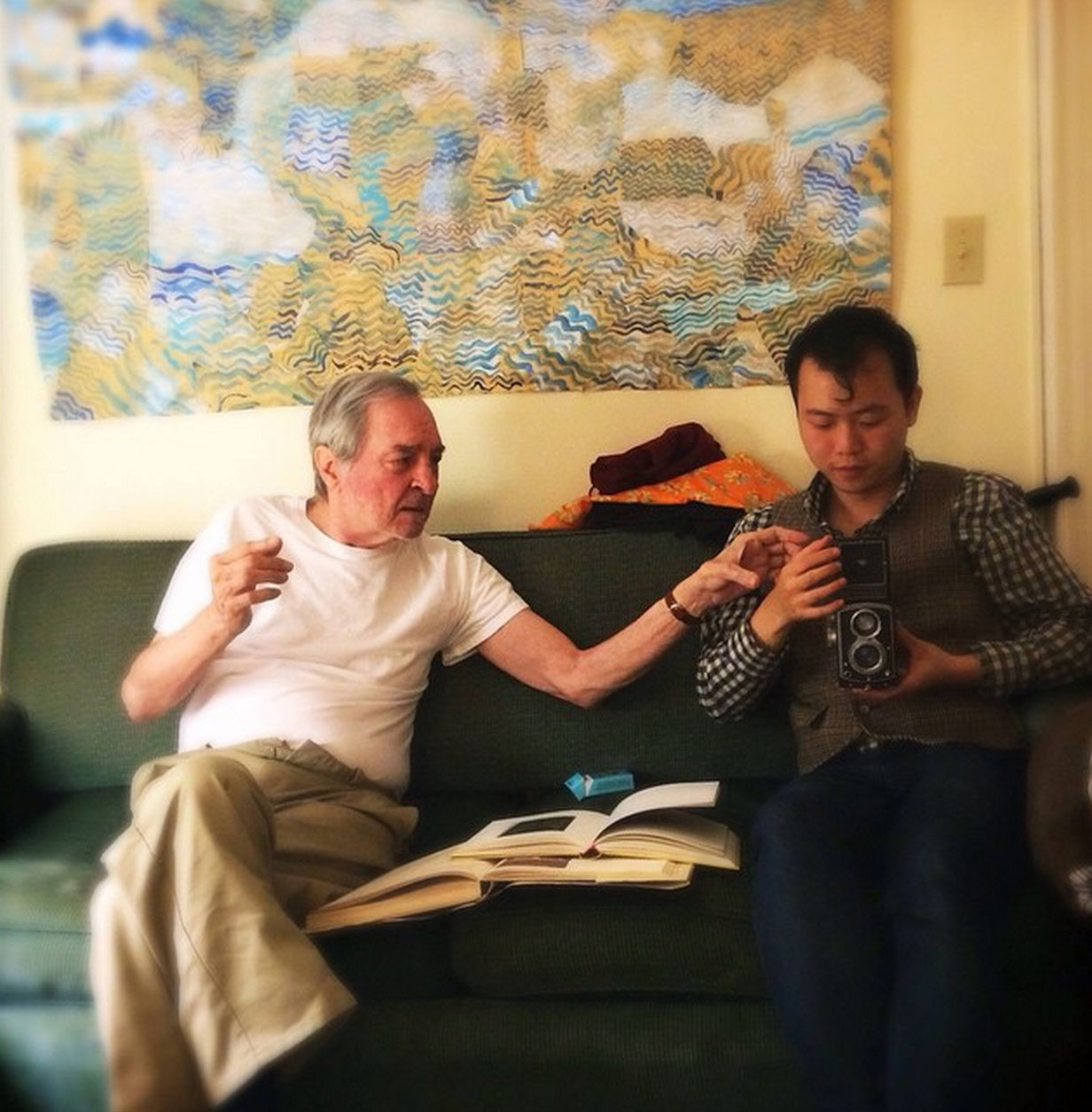
Is Instagram, or mobile photography in general, incapable of presenting an interesting shift in the way images are made? The arguments will go on, and in turn, we'll continue to host Instagram residencies from some of our favorite photographers using IG today. Like Tommy Kha who took some quiet time to hang out with William Eggleston in Memhpis,  Matthew Schenning, who's been making off-moment pictures while working Art Basel in Miami Beach this week, and other favorite photographers like Tribble and Mancenido, Laura Glabman, Bahar Yurukoglu, and Bill Miller whose photographs regularly make our heads turn. Please have a look, follow them, and support their work.