Fat shaming unfortunately continues to be a socially acceptable form of bigotry around the world. For the past 4 years, photographer Haley Morris-Cafiero has responded to this photographically, turning the hateful comments, glances and gestures into impactful self-portraits. Morris works with an assistant in large crowds, capturing strangers as they mock her and uses her camera to reverse the power they may think they have.

Last year, Morris-Cafiero’s work went viral through dedicated articles on Salon, Huffington Post, Feature Shoot, Lens Scratch and other high traffic blogs. While much of the response was positive, she received numerous disparaging comments, in many cases verbalizing the hateful gestures captured in her initial photographs. Instead of letting this slow her down, Morris-Cafeiro used the comments to create new images in 2014, allowing her to have the last laugh. The Magenta Foundation will publish a monograph of the series this coming year.

Morris Cafiero is currently raising funds via Kickstarter, which we encourage our readers to support. 

In support of the project, we caught up with Morris-Cafiero to learn more.  

Humble Arts Foundation: You've received a great deal of positive response to your work, but there has also a swarm of hateful comments from online trolls. How did these comments influence the most recent work in the series? 

Haley Morris Cafiero: Before my photographs were written up last year, I had read the occasional comment section and got angry at the world.  But when the commenters started talking about how ugly my face, my body and my clothes are, it made me laugh hysterically.  I know that is a strange reaction, but to think that someone wastes their time to write something that has no influence on how I think about myself is hilarious.  So when so many of the commenters said that I needed to 'lose weight and get a make over,' that was the visual cue for what I needed to do next in my photos.  In the original photos I was the "everyday girl passively doing everyday things."  Now I will respond by happily engaging in what they want me to do to improve myself to see if I am surrounded by what could be called critical or questioning gazes.  They are more costumed (I don't wear spandex) and I take on a role of being happy while trying to make myself better. 

HAF: What was the most positive or moving response you have received so far? 

HMC: I have received quite a few really deep and almost private/confessional messages of support from people.  But probably the most recent impact was this one:

"I have been really depressed lately and I was crying about something completely unrelated as I read about your inspiring stop fat-shaming campaign. Your pictures highlight a huge societal issue of epic proportions but the fact that you have the courage to do what you do is amazing and it made me feel so much better. I can't say I relate as a 125 lb. 16 year old male high school junior, but I can have compassion for the cause. Also, despite what society may say, you are beautiful and I don't say that without meaning. Anyway, thanks for cheering me up! "

I don't know if its because of his age or his honesty, but it just made realize how what I do can impact someone.  That was never the goal when I started 4 yeas ago, but if my photographs can help someone miles away when they are feeling low, I am honored and fueled to do more.  His message made me see myself when I was a 16 year old and hating myself.   

HAF: That's amazing. You've made pictures in various locations in the United States, as well as abroad. Do you notice any differences in peoples reactions/ expressions in your photographs? 

HMC: Yes!  For at least 3 years when I was photographing, I would never catch the gaze of any young women age 15-25ish.  At least 5 times while shooting, I have heard young women make fun of me.  No question.  But when I look at the images, the young women look like they are talking to their friend.  So when I started traveling to countries where English is not the native language, I started capturing more of that age group. It may be coincidental, but it was definitely a trend that I noticed. 

HAF: How did the book project come about?

HMC: When I saw the impact that the images had on people, I knew that the project needed to be a book.  Most of the people who reacted so strongly to the images will not see them in a gallery or a museum and seeing them online doesn't give a personal experience.  If they are printed in a book, then people can hold the images and see them they way that I intend them to be seen. 

I am thrilled to be working with the Magenta Foundation on this book as they share the same vision that I have. When I first met Maryann Camilleri at FotoFest in 2012, she gave me excellent feedback that really pushed me and the work to a good direction. 

HAF: Are you continuing to make new images for this series? 

HMC: I am going to shooting new images until April of next year.  I am happy with what I have, but I always want to push the envelope to see what else is to be had.  My entire project hinges on timing and I need to give timing as many opportunities as possible to deliver.

Bio: Haley Morris-Cafiero holds a BA in Photography and a BFA in Ceramics from the University of North Florida and a MFA in Art from University of Arizona. She is an Assistant Professor and Director of Graduate Studies at Memphis College of Art. Her series of photographs, Wait Watchers, has been featured in over 40 sites all over the world including CBS This Morning, Huffington Post and Salon.com. She has was a finalist for the Prix Virginia & Renaissance Prize the series was exhibited in the Chicago Photography Center and the Newspace Center of Photography in 2014. 

“Dogs are a universal part of human culture and have been by our side for 30,000 years evolving to help us in a number of working roles. However, dogs are distinctly non-human and evoke qualities of the savage beast. They straddle the line between man and nature, and are a perfect conduit to illustrate the greater power of nature in contrast to our usual human-centric point of view.” - Andrew Fladeboe

In May, 2013, as part of a Fullbright Fellowship, photographer Andrew Fladeboe began a seven month adventure traveling throughout Norway and New Zealand to photograph various breeds of working dogs in their natural environments. During this time, he fully immersed himself in the culture of working dogs, traveling and photographing extensively, and essentially living a shepherd’s life.

Fladeboe’s dog portraits, often shot before sweeping, monumental landscapes extend beyond straightforward documentary and reportage, with a range of influences drawing from Victorian painting to natural history dioramas. Fladeboe specifically cites nineteenth century painter Sir Edwin Henry Landseer, who pioneered the practice of elevating dogs in hunting scenes, positioning them as highly noble creatures. For Fladeboe, this is central to his love for animals and his quest to depict their uniquely bestial and regal qualities.     

While his pictures are in hardly typological, Fladeboe’s process for photographing the working dogs sticks to a formula that produces specific emotional responses and give insights into each dog's psychology. For each picture, he works closely with the dogs’ owners in order to get the right shot. This requires careful maneuvering, and anywhere from three to fifteen attempts before a dog looses focus. When editing, Fladeboe sets specific parameters for giving the dogs a certain aura of dignity.

“I have general rules I've set for myself when choosing the edit. Never have the dog lying down, always with its head up, finding the highest point in the area to shoot from. It was an interesting task getting some of the farmers to work with me, but ultimately they enjoyed the process and were much more interested in the project after they saw the way I approached my subjects” 

Fladeboe also credits the dioramas at the Museum of Natural History in New York City as the first and foremost influence to his photographic seeing and as a foundation for how he sets up and constructs his real world photographs.

“I'd wander around the ones at the Natural History Museum in New York and photograph them as many photographers do. I realized that I should try creating my own scenes with real animals, using the dioramas as compositional frameworks.”

The images shot over the past year are a continuation of Fladeboe’s ongoing multi-volume body of work The Shepherd’s Realm. The project began in 2011 during an artists’ residency in the Netherlands followed by three weeks in Scotland.  Many of the initial images were digitally manipulated composites of different species of animals, but evolved into the straight, dog specific photographs that Fladeboe made during his Fullbright. While these initial images might stand out from the group on technical grounds, they add a fundamental layer to Fladeboe’s unique relationship with animals. 

“ I see this project as a kind of box set of the wonderful animals I've met on my adventures. I will continue working on new volumes for many years (I have an evolving list of future locations), but I think my next project may be separate from the series with more deliberate, constructed, and larger scale works that still use animals as my narrative muse. Dogs may continue to be a focus but I'm open to branching out to different animals again. “

BIO: Born in California in 1984, Andrew Fladeboe grew up in Japan, Russia, and Austria before obtaining his BFA in photography from the Rhode Island School of Design in 2006. He has spent time photographing animals for The Shepherd's Realm series in the Netherlands, the Highlands of Scotland, Southern France, and Norway. In 2014, Andrew was awarded a Fulbright Grant to photograph and study working dogs in New Zealand. He is represented by Peter Hay Halpert Fine Art in New York City, where he'll have a solo exhibition in fall, 2015. Follow him on Instagram @Fladeboe

Posted
AuthorJon Feinstein

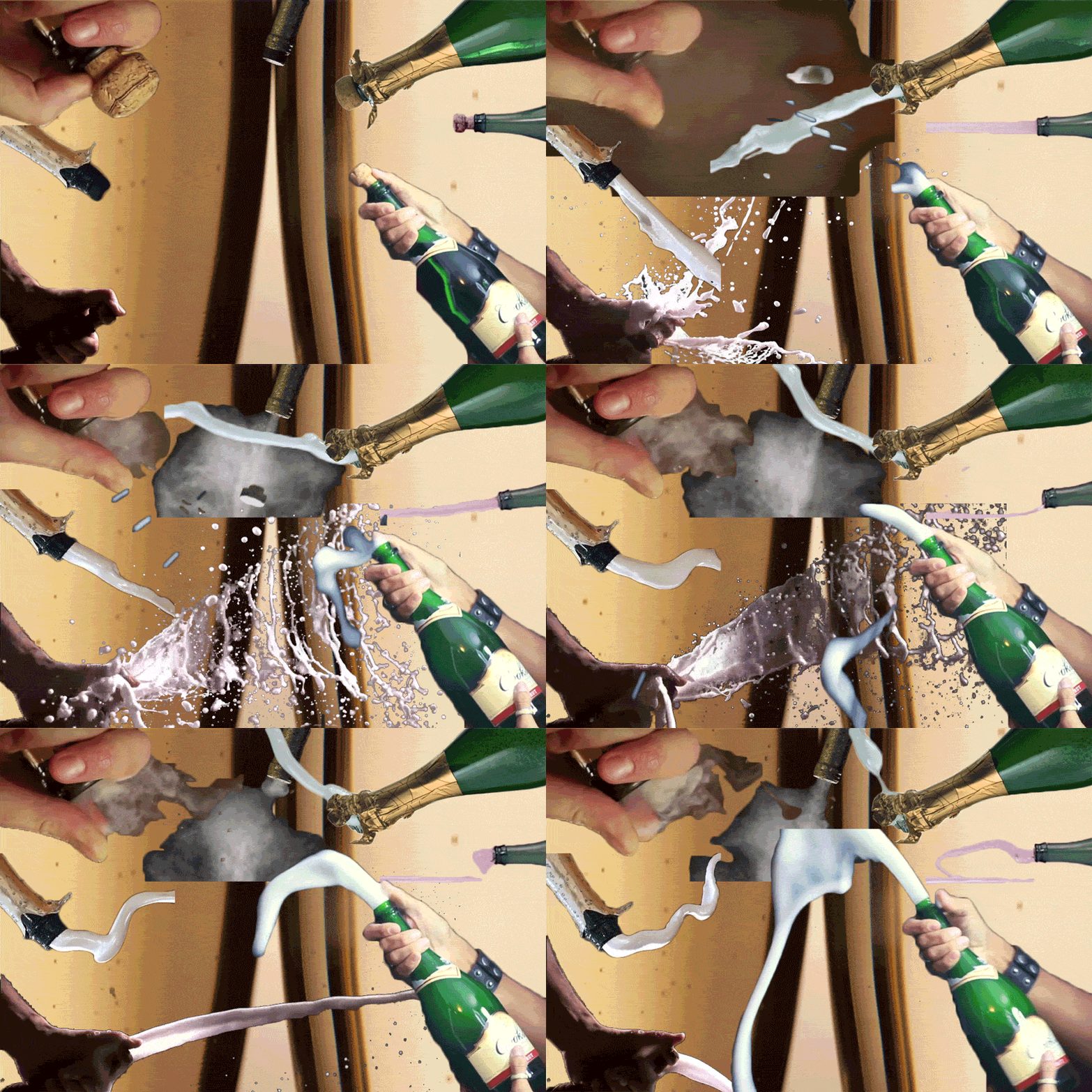
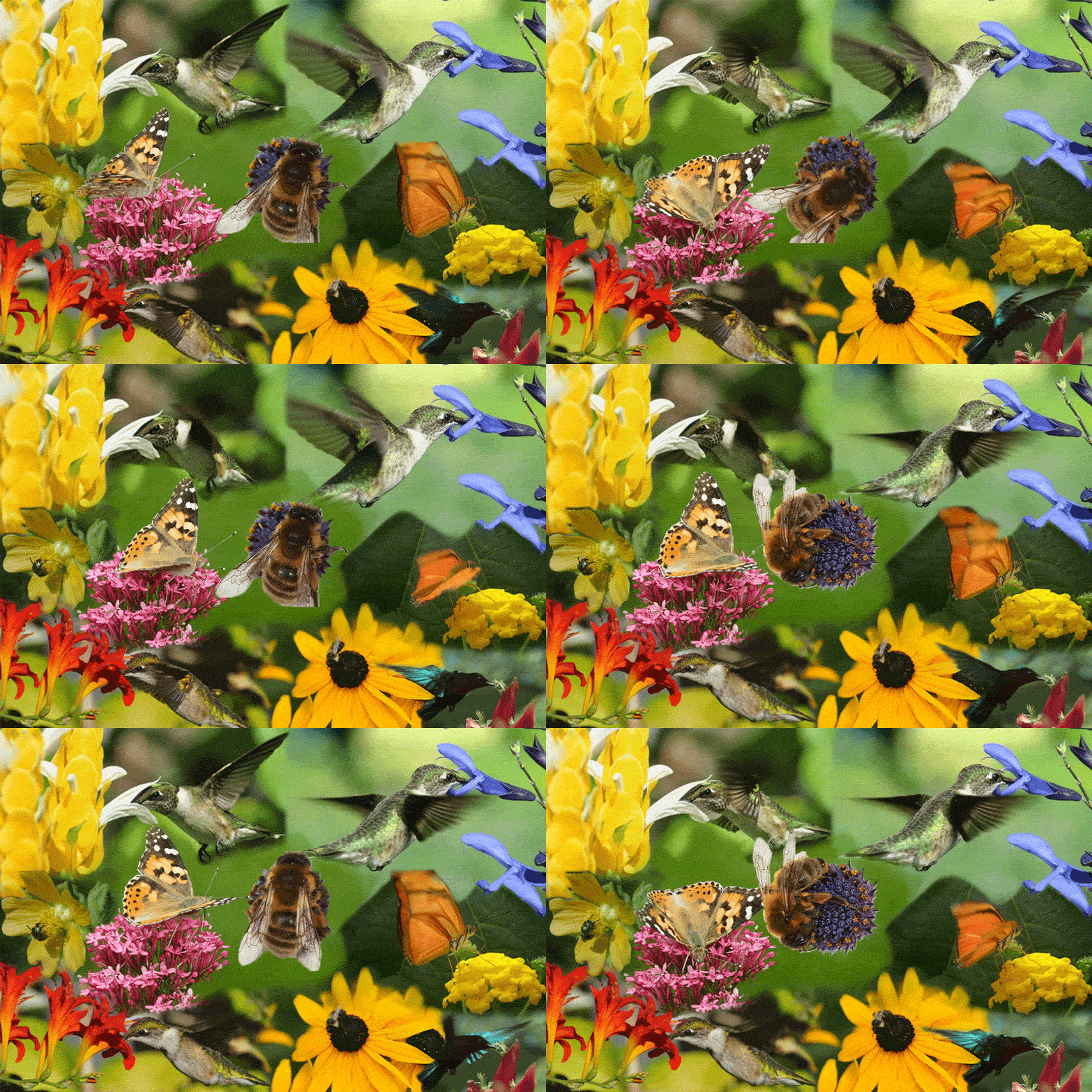
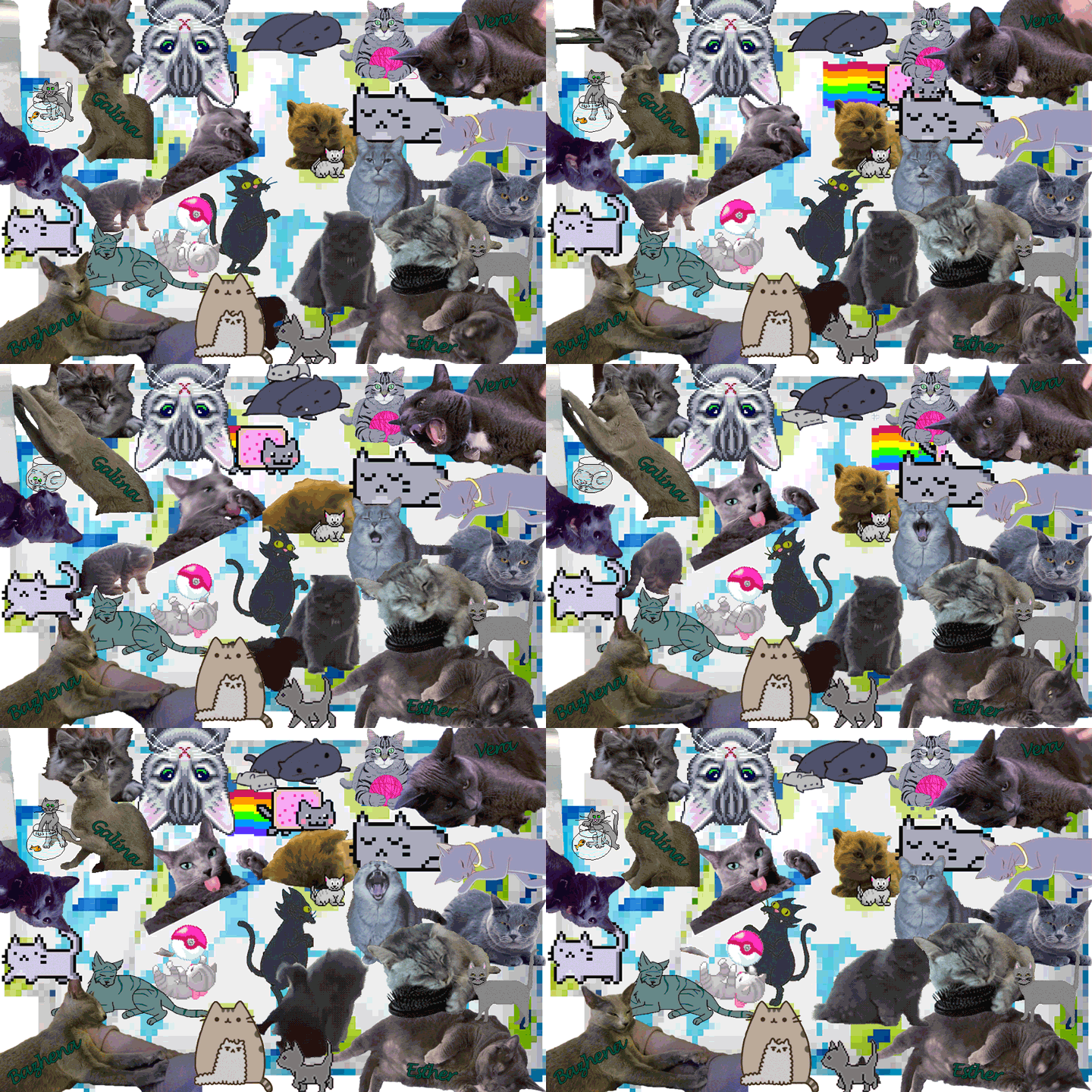
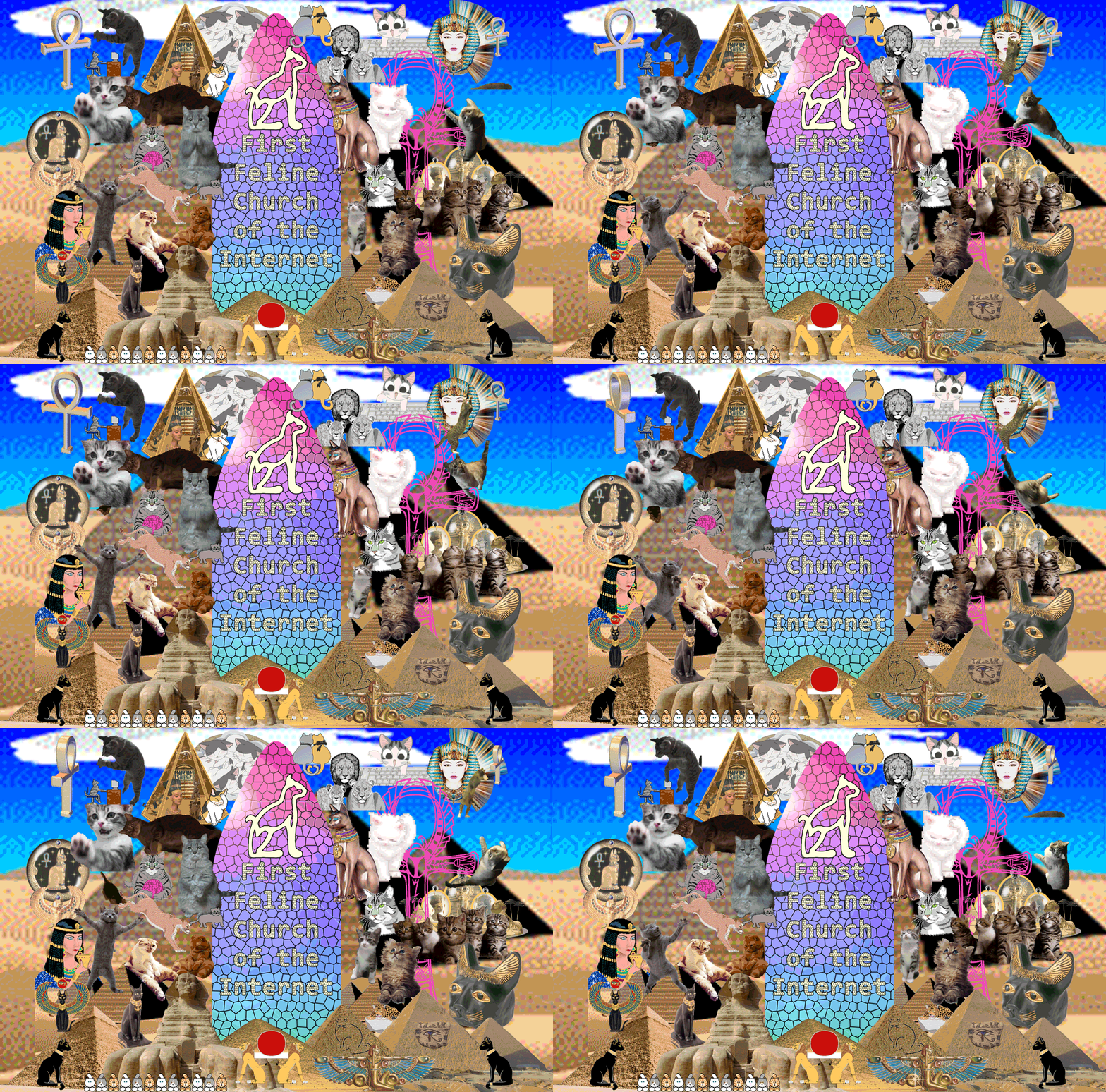
What do ejaculatory champagne bottles, feline emoticons, literal "birds and bees," and a shrine to an imaginary online "church of cat" have in common? They are all part of Faith Holland's wild obsession with the Internet in all of its virtual, continuously consumable glory. Over the past few years she's made a range of work that tackles the web with sharp, comical critique. While naysayers may feel that there is no new Internet Art to be made, and the same folks are likely skeptical of anything GIF (including its pronunciation), Holland adds new layers to the conversation in an attempt to surface the interconnectedness of it all. 

Holland uses images from various films and the Internet as her source material, mashing them up to draw larger inferences on how digital media represents, constructs and visualizes beauty, sexuality, and how we experience the world. She is particularly drawn to the relationship between visual spectacles in Hollywood and online. These include big budget special effects, low fi animated GIFs, and a focused attention on technological absurdities in online pornography. With many of her pieces, she pays particular attention to early, and now dated, Internet innovations such as self-published homepages in the mid 1990's, to the newfound appreciation for the GIF in art an pop cultural circles over the past five years. 

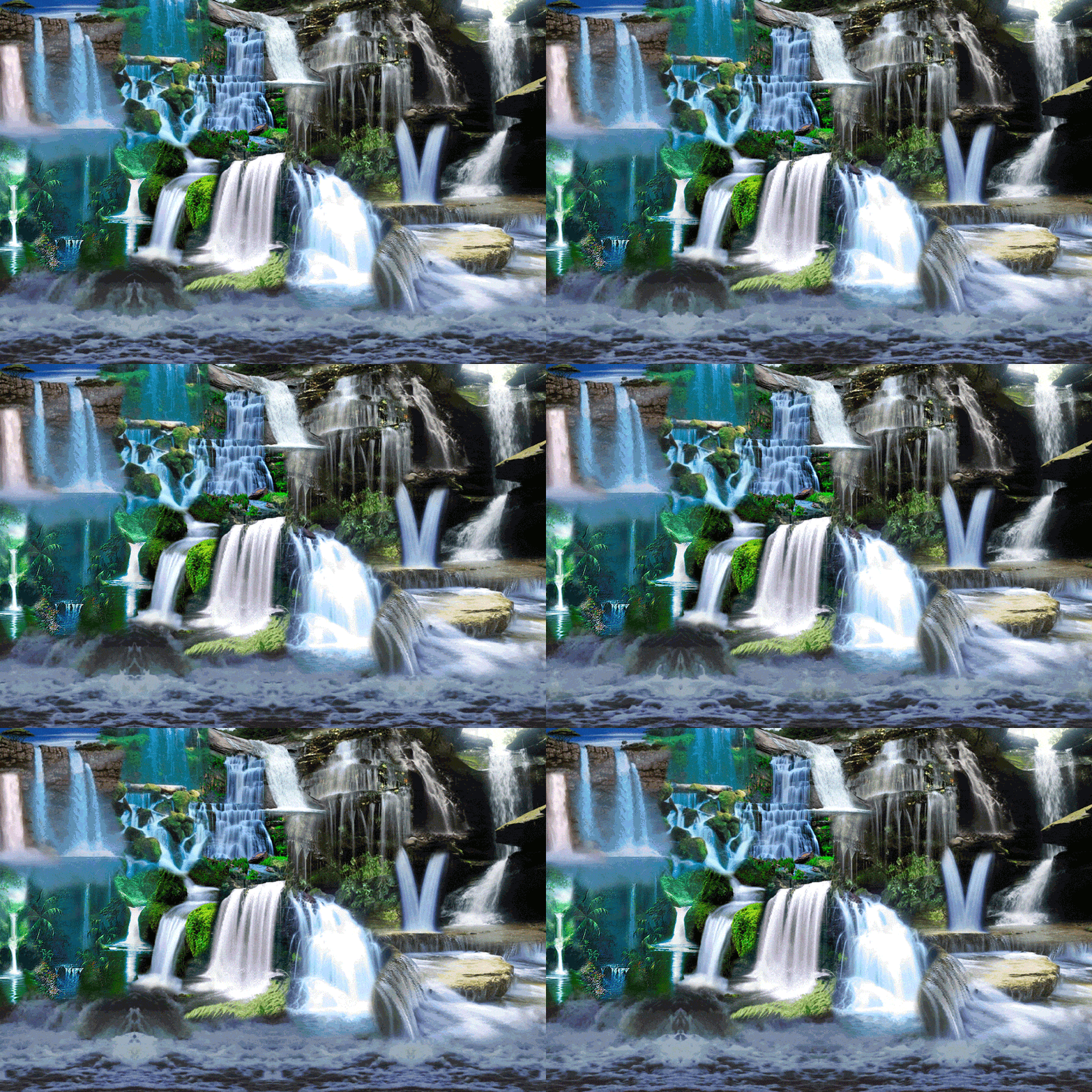
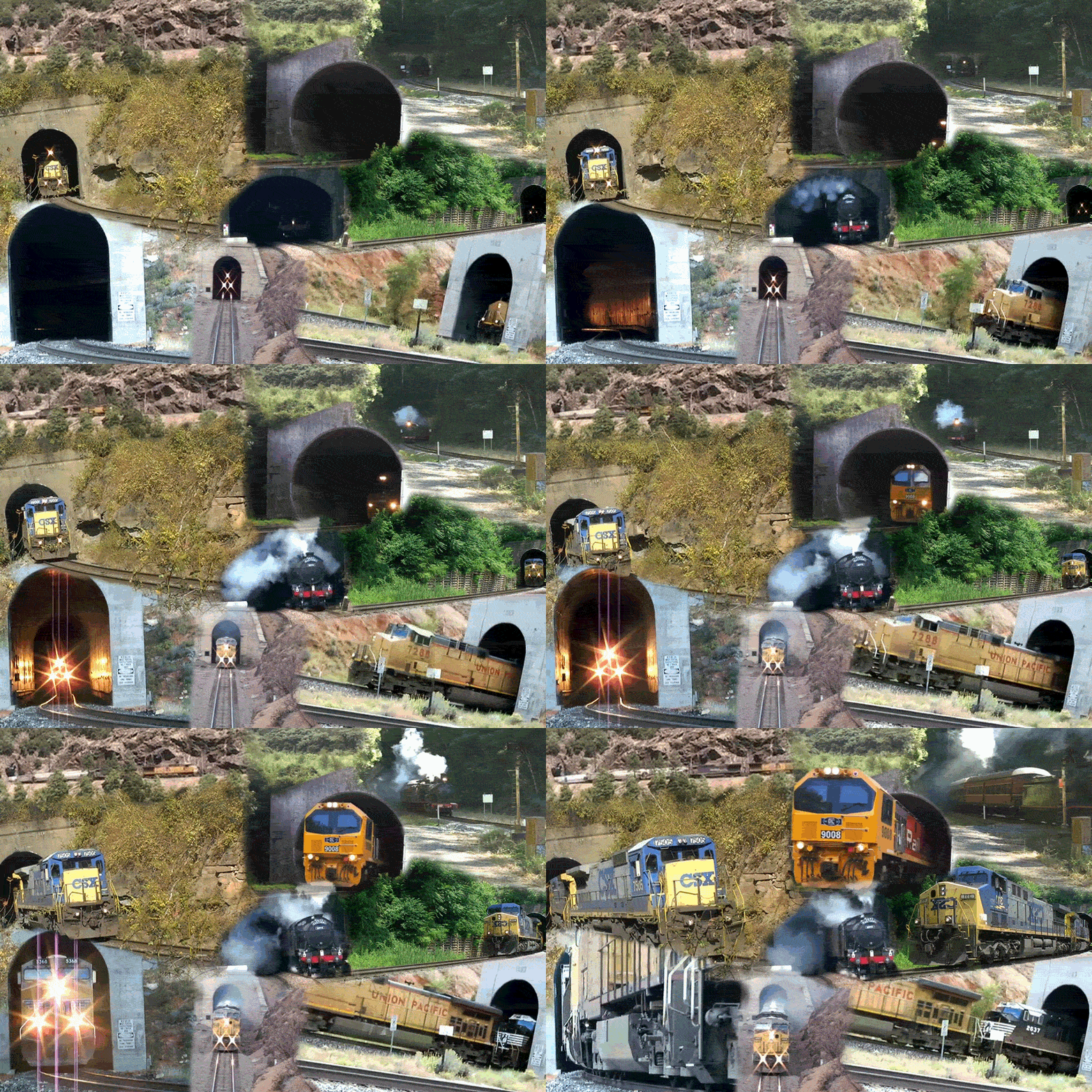
While these ideas are a common thread throughout all of her work, they are most obvious in Holland's series Visual Orgasms, which comments on what she sees as Hollywood's historical pressure on sex to be visually consumable. The series exaggerates this idea with various collages of sexual metaphors (waterfalls, trains leaving tunnels, fireworks, etc) that intentionally exclude actual sexual acts.

And somehow, cats seamlessly make their way into Holland's increasingly evolving fascination with online mania. For Holland, they are closely tied to her ideas of how the Internet is structured, and to other visual symbols and that appear throughout all of her work. She sees early Internet cat obsession as potentially being influential on the widespread development of memes and other forms of viral imagery. 

"Cats got on to the Internet on the ground level. When I look back at Geocities archives or my own personal collection of images downloaded from the Internet, they were always present—and they’ve been more enduring than other early Internet obsessions, like the Grateful Dead."

Bio: Faith Holland is an artist and curator whose practice focuses on gender and sexuality’s relationship to the Internet. She received her BA in Media Studies at Vassar College and her MFA in Photography, Video, and Related Media at the School of Visual Arts. Her work has been exhibited at Xpo Gallery (Paris), Art in Odd Places festival (New York), Elga Wimmer (New York), Axiom Gallery (Boston), the Philips Collection (Washington, D.C.), and File Festival (São Paulo). Her work has been written about in The Sunday Times UK, Art F City, Hyperallergic, Animal New York, and Dazed Digital

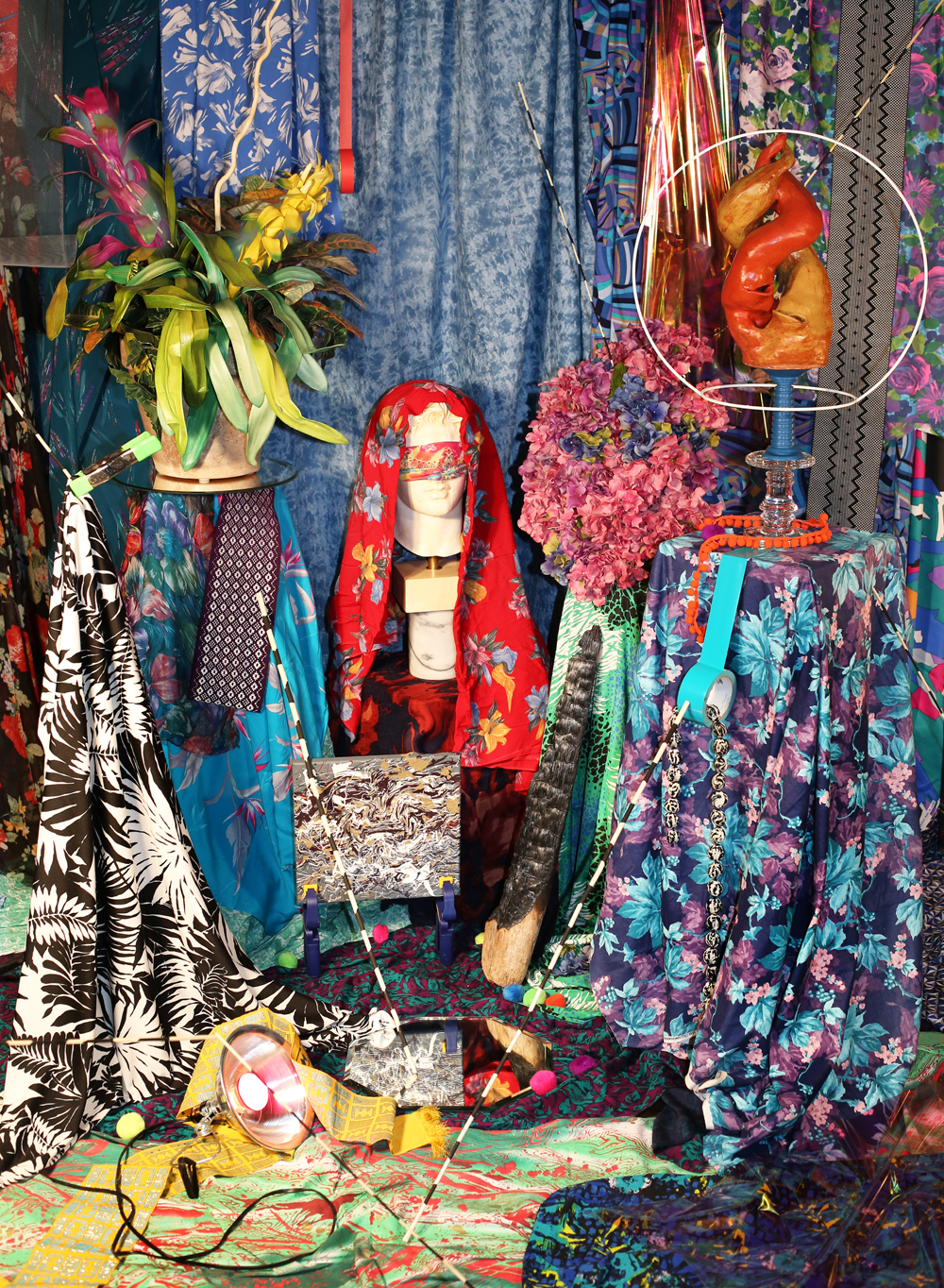
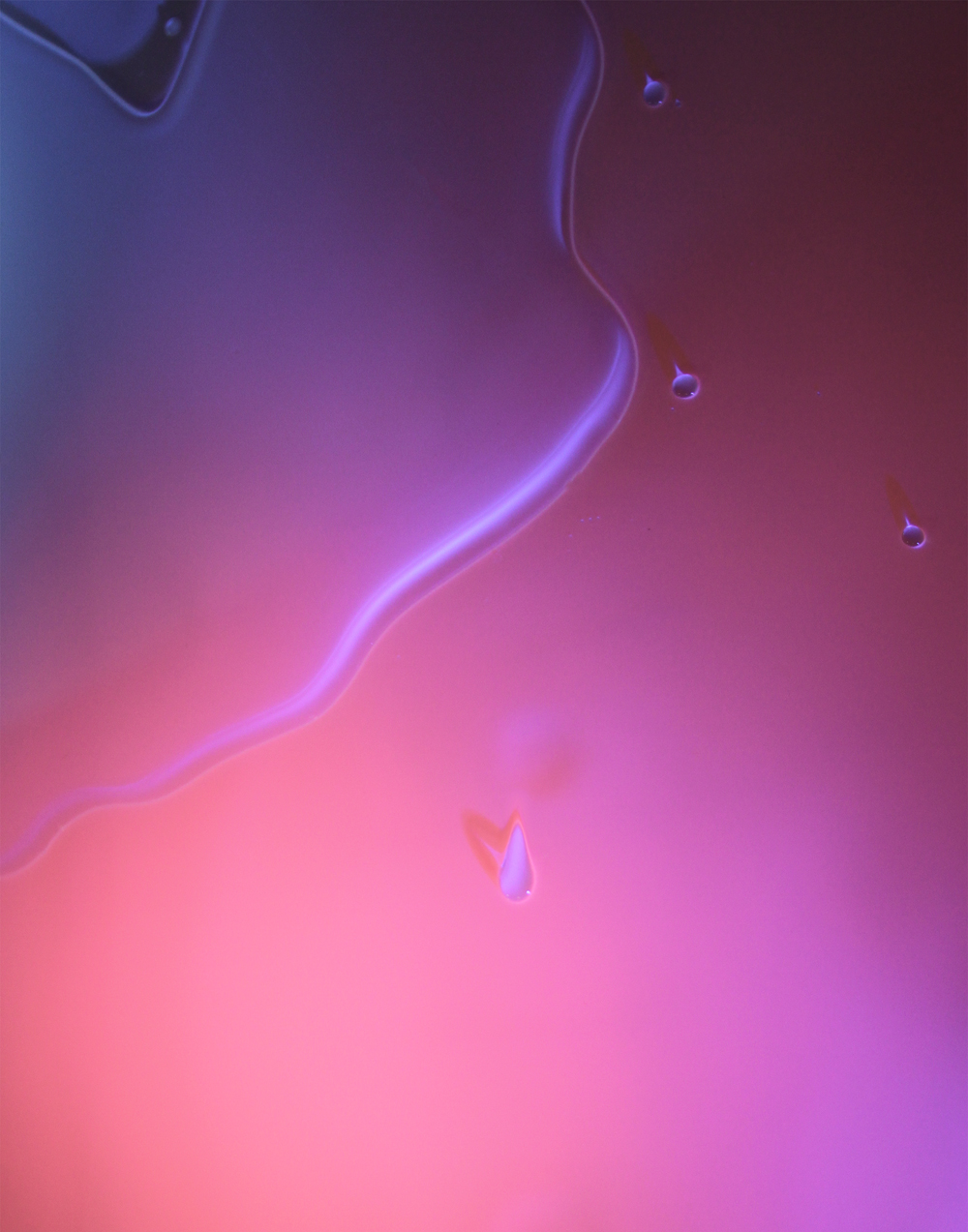
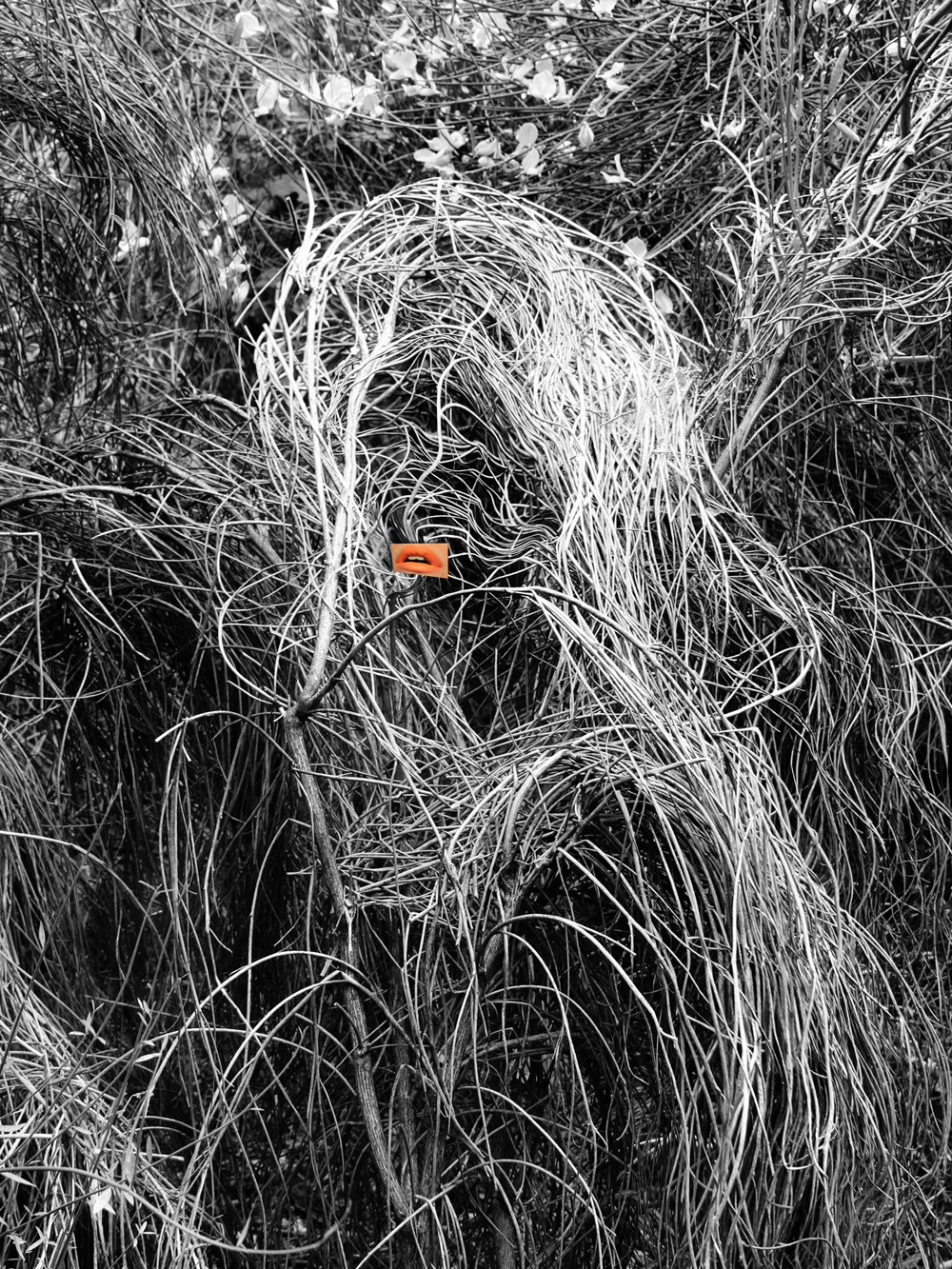
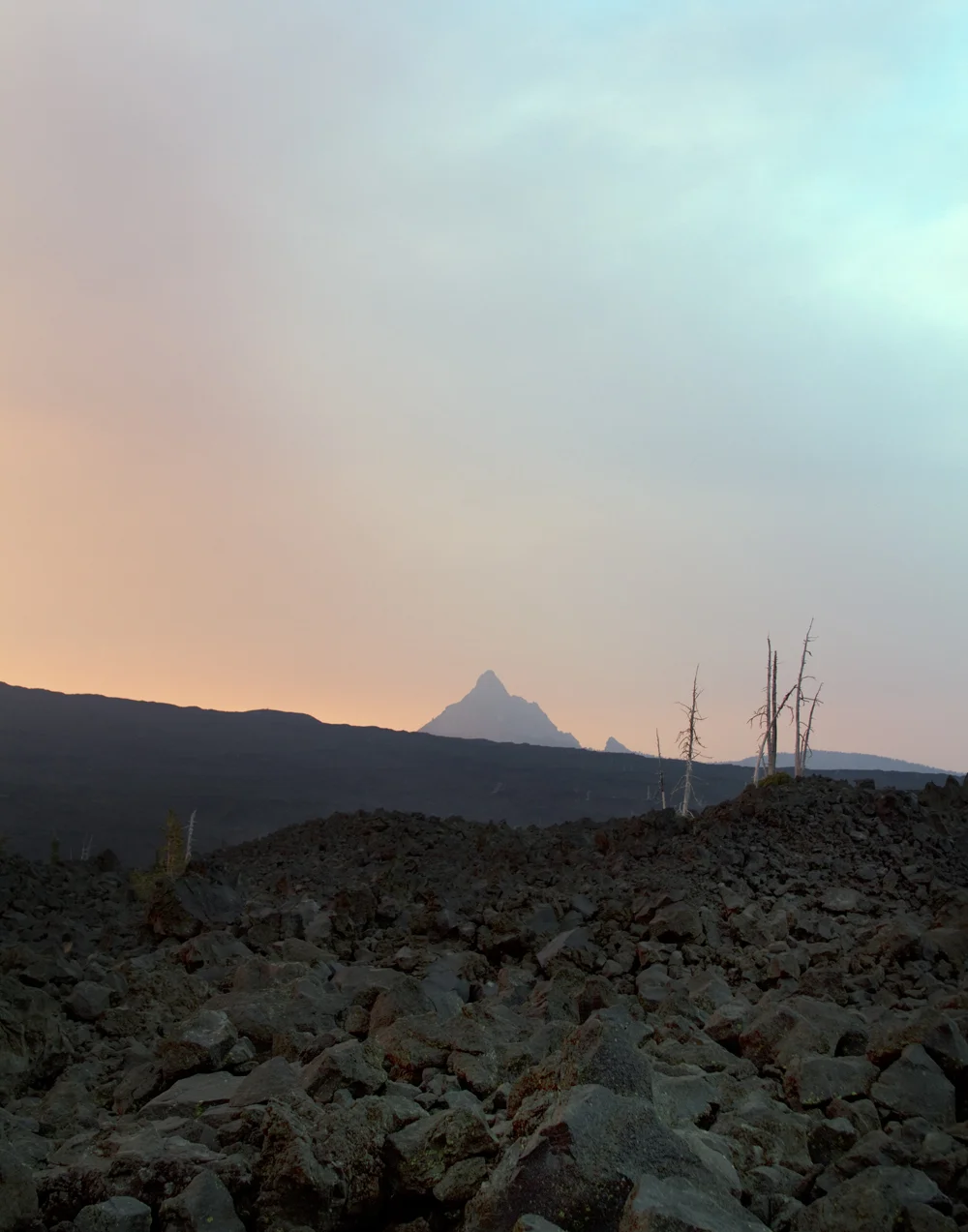
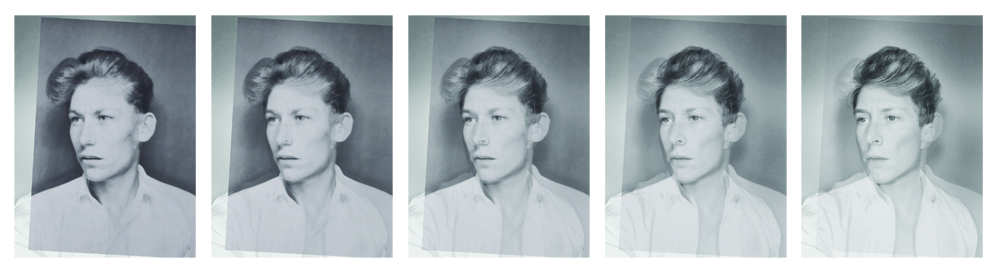
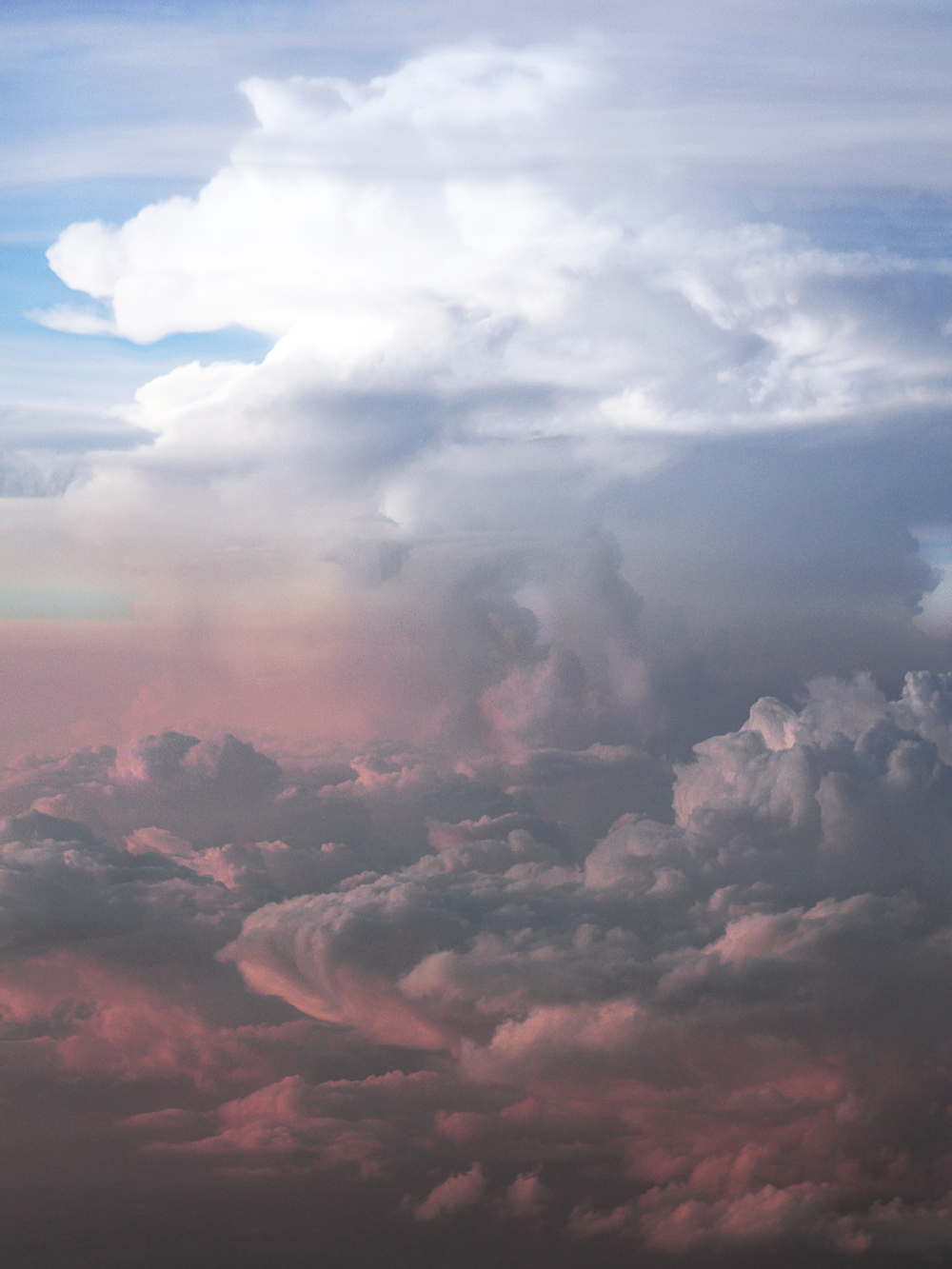
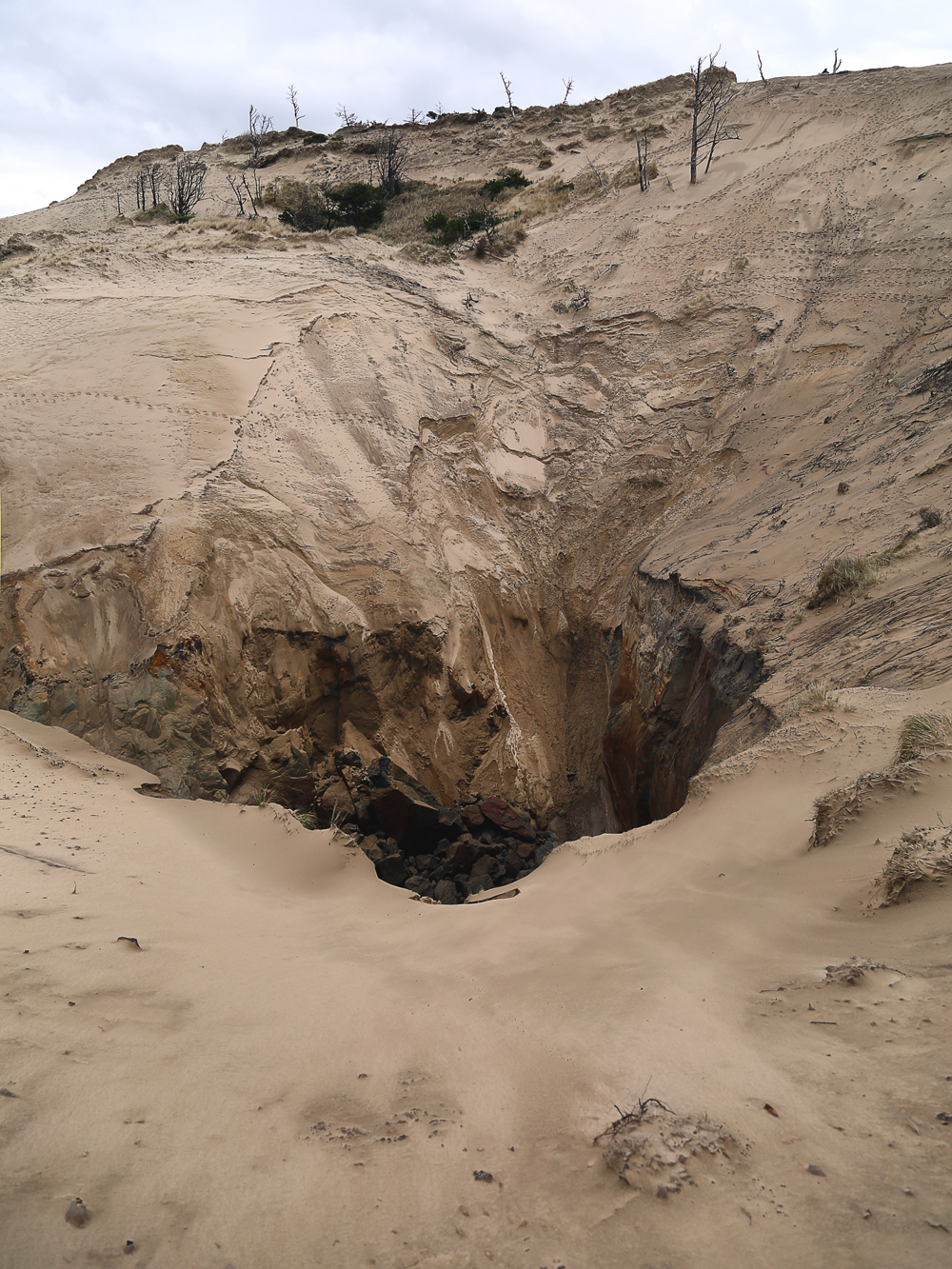
In his series, Getting Lost, currently on view at Nationale gallery in Portland, Oregon, Delaney Allen's still lifes, studio portraiture, and landscapes communicate his experience of profound grief.  While diaristic work of this nature can often risk being overly inward, Allen effectively employs untraditional editing methods to build a narrative of his personal struggles that is both aesthetically mysterious and heartbreakingly real.

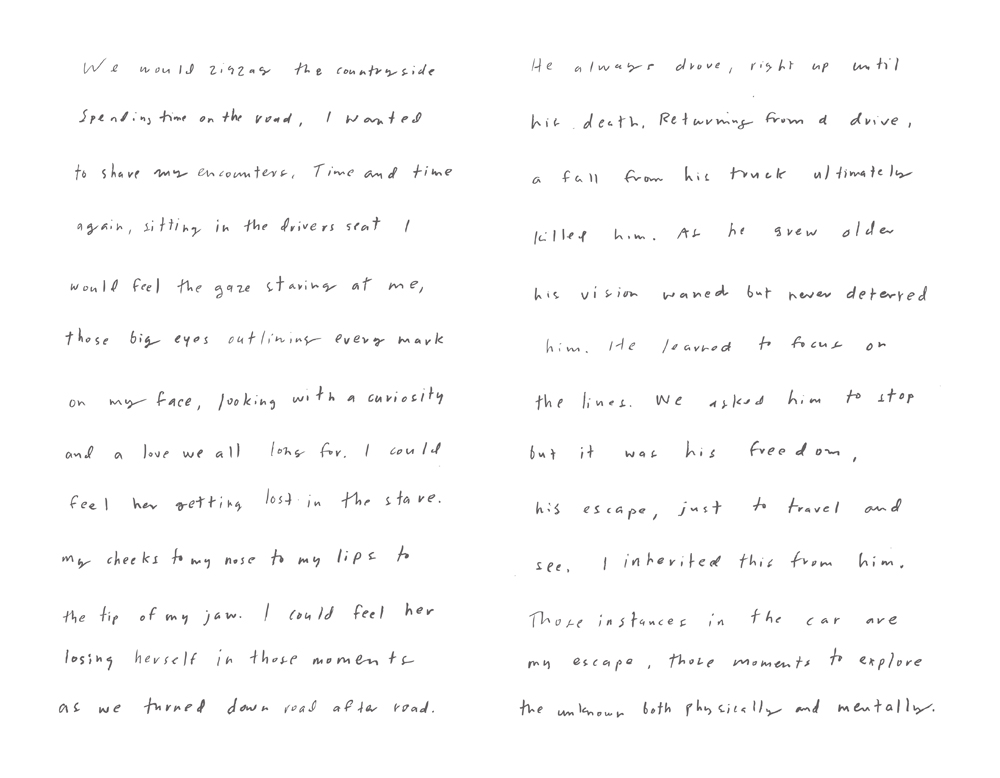
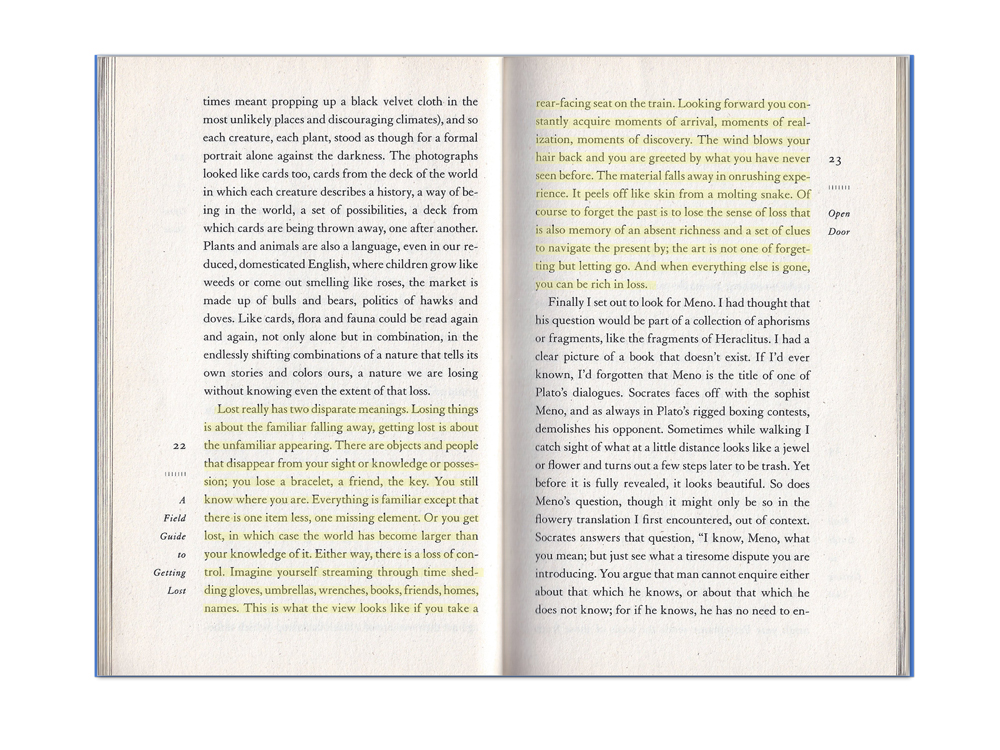
Allen began making this work in response to a brief yet massive wave of personal loss. Over the course of four months both of his grandparents passed away,  a romantic relationship dissolved and his cat died in his arms. Searching for a means of coping, he looked to Rebecca Solnit's book A Field Guide to Getting Lost which helped inspire him to make photographs as one of the most effective forms of therapy.  "In exploring those thoughts, as well as needing to reset myself mentally, I found going on long drives exploring new areas I’d never visited and also opening up my mind to see where it could go to be therapeutic."

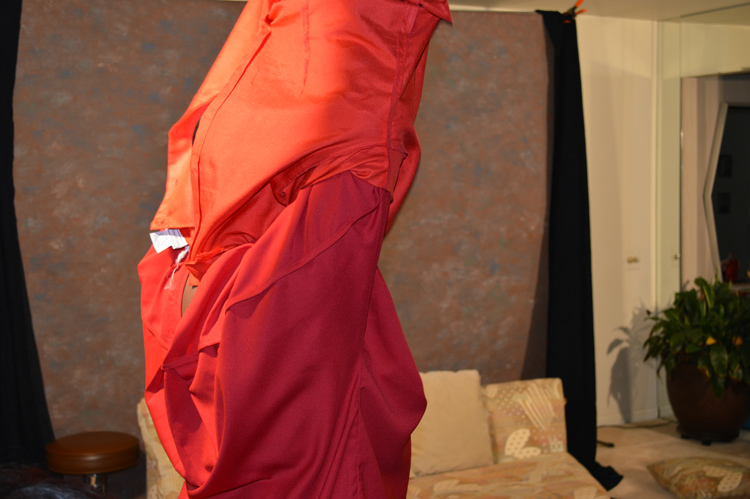
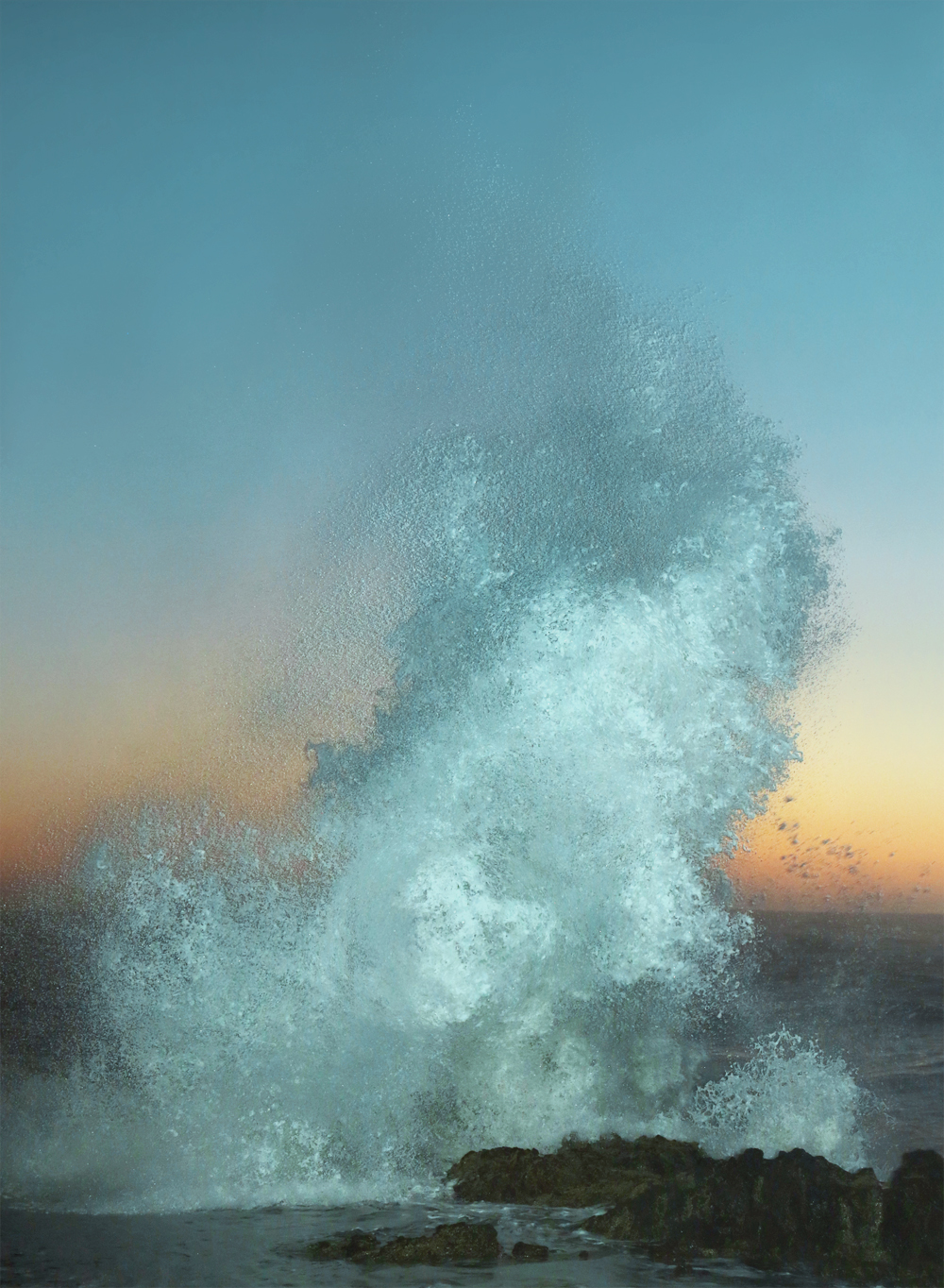
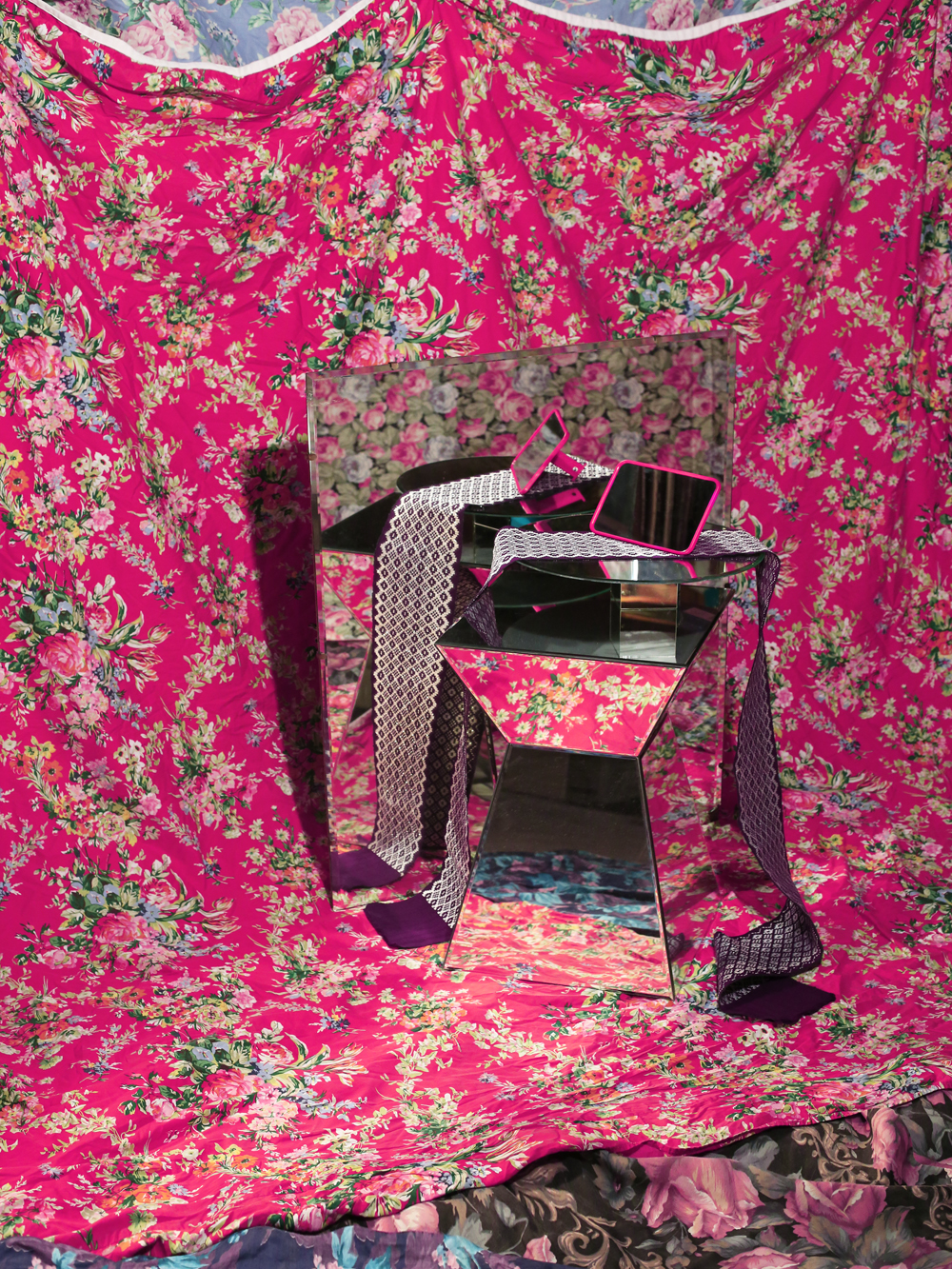
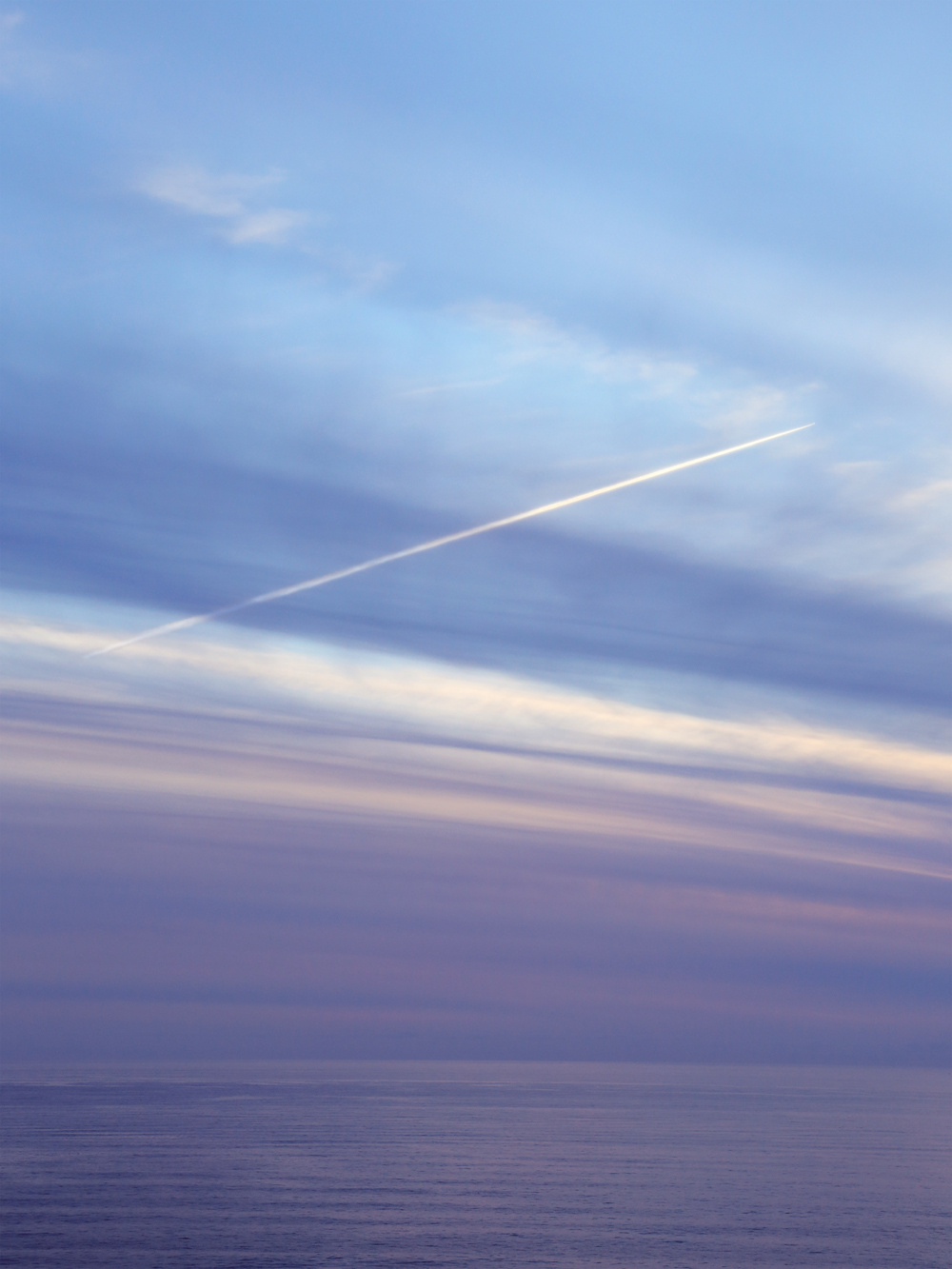
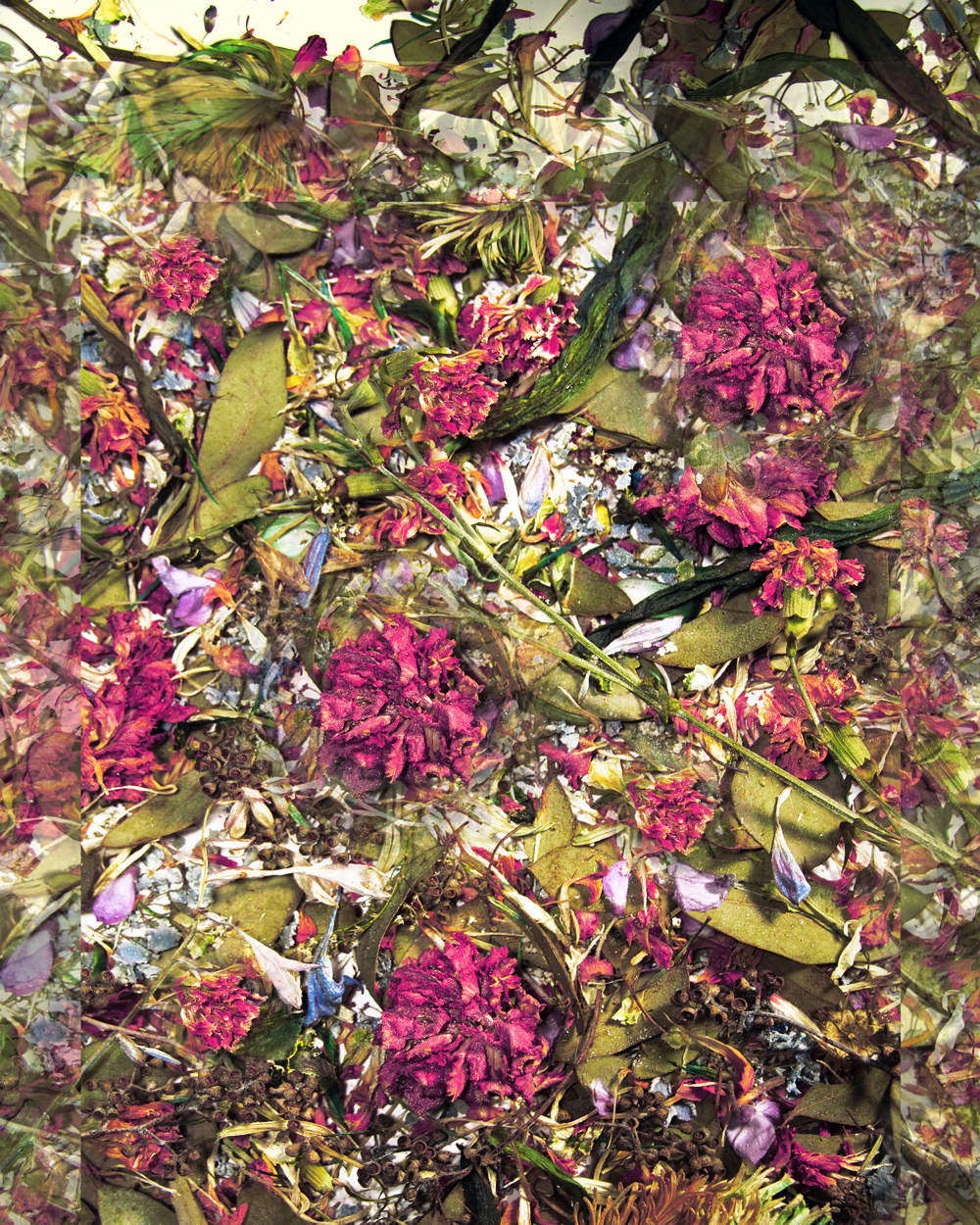
On the surface the work might appear to be a pastiche of various popular movements in photography: wind swept photographs of national parks paired with jarring,sculptural, harshly lit studio shots. With a closer look, however, it's apparent that each of these seemingly disparate images are actually intense personal cues to Allen's methods of coping. In his studio still lifes, fabric, flowers, and other ephemeral details serve as what he describes as memorials, or "chaotic alters to bygone loves."  In his photos of the atmosphere and American landscape, there is a sense of longing that is strangely both distant and nostalgic. 

For Allen, this style of combining outwardly unrelated imagery on the same plane is essential to communicating his story. "With this method," says Allen, "the important aspect is to build the series from a sense of story or mood I want to portray. In doing so, it gives me the ability to expand to use all these different ways in which I shoot."

Born in Fort Worth, TX, Delaney Allen received his MFA from the Pacific Northwest College of Art in 2010. His photographs have been shown nationally and internationally. He was listed in Magenta’s Flash Forward emerging photographers list of 2013 and attended photographer Alec Soth’s Camp For Socially Awkward Storytellers that same year. His first publication, Between Here And There, was listed on PhotoEye Magazine’s “Best Of” list for 2010. Allen currently lives and works in Portland, OR, where he is represented by Nationale. Follow him on Instagram @delaney_allen